
Coffee, that rich, aromatic brew enjoyed by millions daily, is more than just a morning pick-me-up. It’s a complex concoction with a significant impact on our bodies, particularly our metabolism. This deep dive explores the multifaceted relationship between caffeine and metabolism, examining its effects on energy expenditure, fat burning, and overall bodily function.
Caffeine’s Impact on Energy Expenditure
One of the most immediate effects of caffeine is its ability to boost energy expenditure. Caffeine acts as a stimulant, affecting the central nervous system and increasing metabolic rate. This translates to more calories burned, even at rest. While the effect isn’t dramatic, it can contribute to a slight increase in overall daily calorie expenditure. Studies have shown that this effect can vary depending on factors such as individual sensitivity, genetics, and caffeine dosage. 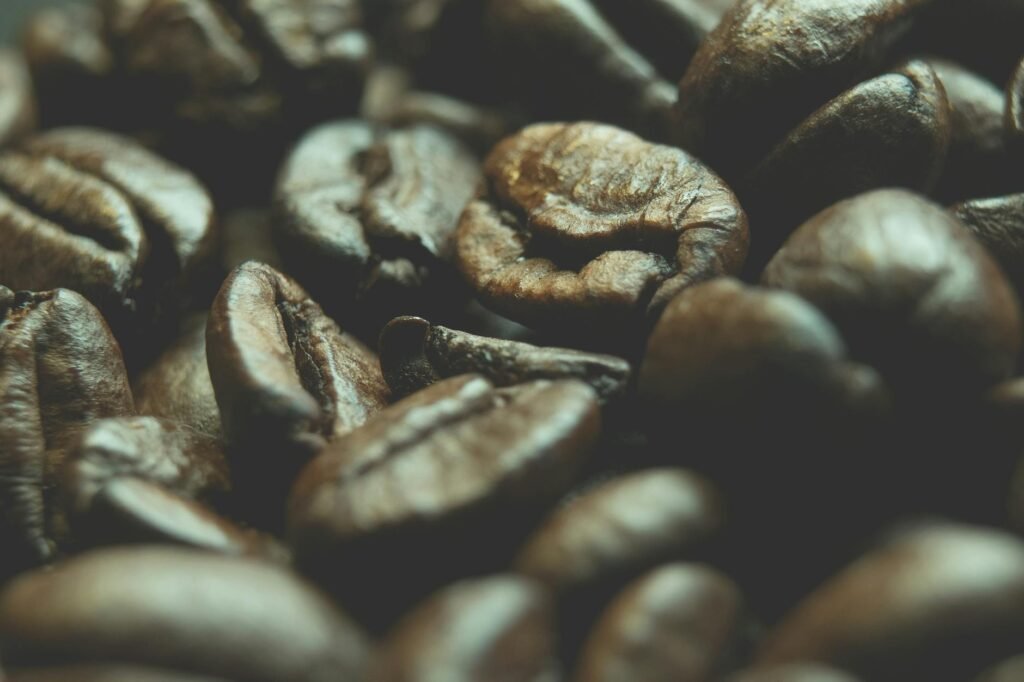
Caffeine and Fat Oxidation
Beyond simply increasing metabolic rate, caffeine also seems to have a more targeted impact on fat burning. It can stimulate the breakdown of stored fat, a process known as lipolysis. This means that caffeine might help your body utilize fat stores for energy, potentially leading to weight management benefits. However, it’s crucial to remember that caffeine alone is not a magic bullet for weight loss. A balanced diet and regular exercise are still essential components of any successful weight loss strategy. Learn more about healthy weight loss strategies.
The Role of Adenosine
To fully understand caffeine’s effects, we need to consider its interaction with adenosine, a neurotransmitter that promotes relaxation and sleepiness. Caffeine effectively blocks adenosine receptors, preventing adenosine from binding and inducing feelings of tiredness. By inhibiting adenosine, caffeine keeps us alert and energized, indirectly influencing metabolic activity.  This intricate interplay underscores the complex relationship between caffeine and the body’s regulatory systems. Read more about the science behind caffeine.
Individual Responses to Caffeine
It’s crucial to acknowledge that individual responses to caffeine vary significantly. Factors like genetics, body weight, and overall health play a significant role in how your body processes caffeine. Some individuals might experience a pronounced metabolic boost, while others see minimal effects. Furthermore, tolerance can develop with regular consumption, meaning that the same dose might have less of an effect over time. Therefore, it’s essential to understand your own body’s response to caffeine and adjust your intake accordingly. Find out your caffeine tolerance.
Caffeine and Exercise Performance
The relationship between caffeine and metabolism extends to athletic performance. Caffeine can improve athletic endurance and strength by enhancing alertness and reducing perceived exertion. By increasing fat oxidation and mobilizing energy stores, it can help athletes perform at higher levels. However, excessive caffeine consumption can lead to negative effects, including anxiety and insomnia. Moderation is key, and it’s important to understand the impact of caffeine on your specific athletic goals. [IMAGE_3_HERE] Discover more about caffeine and exercise.
Conclusion
The connection between caffeine and metabolism is multifaceted and complex. While caffeine can offer a modest boost to metabolic rate and fat oxidation, it’s not a standalone solution for weight loss or improved athletic performance. A holistic approach to health, including balanced nutrition, regular exercise, and mindful caffeine consumption, is crucial for optimal results. Learn more about healthy lifestyle choices.
Frequently Asked Questions
What is the optimal amount of caffeine for metabolic benefits? The optimal amount varies greatly depending on individual factors; it’s best to start with a moderate amount and observe how your body reacts.
Does decaffeinated coffee have any metabolic effects? Decaf coffee contains trace amounts of caffeine and may still have some mild effects, though significantly less than regular coffee.
Can caffeine negatively impact metabolism? Excessive caffeine consumption can lead to anxiety, insomnia, and digestive issues, potentially negatively affecting overall health and metabolism.
Are there any other beverages that boost metabolism like coffee? Green tea, containing catechins, also possesses metabolism-boosting properties.
Can I use caffeine supplements to enhance metabolic effects? While caffeine supplements exist, it’s generally recommended to obtain caffeine from natural sources like coffee and tea, as part of a balanced diet.