
Feeling overwhelmed by worry and unease? You’re not alone. Anxiety is a common experience, but learning to manage it can significantly improve your quality of life. This guide offers practical strategies to help you navigate anxious feelings and cultivate a greater sense of calm.
Understanding Anxiety
Anxiety manifests differently in each person. It’s helpful to understand the physical and emotional symptoms you experience. Common signs include racing heart, shortness of breath, muscle tension, irritability, and difficulty concentrating. Recognizing your personal triggers is a crucial first step towards effective management. 
Breathing Exercises for Immediate Relief
When anxiety strikes, controlled breathing can quickly calm your nervous system. Try the 4-7-8 technique: Inhale deeply for 4 seconds, hold for 7 seconds, and exhale slowly for 8 seconds. Repeat this several times. You can also explore other mindfulness practices like meditation, which can be incredibly effective in the long run. Learn more about mindfulness techniques.
Lifestyle Changes for Long-Term Management
Long-term anxiety management often involves making positive lifestyle adjustments. Regular exercise is vital; even a short walk can make a difference. Prioritizing sleep is equally important. Aim for 7-9 hours of quality sleep each night. A balanced diet also plays a crucial role in your overall well-being. Consider reducing your intake of caffeine and alcohol, both of which can exacerbate anxiety symptoms. 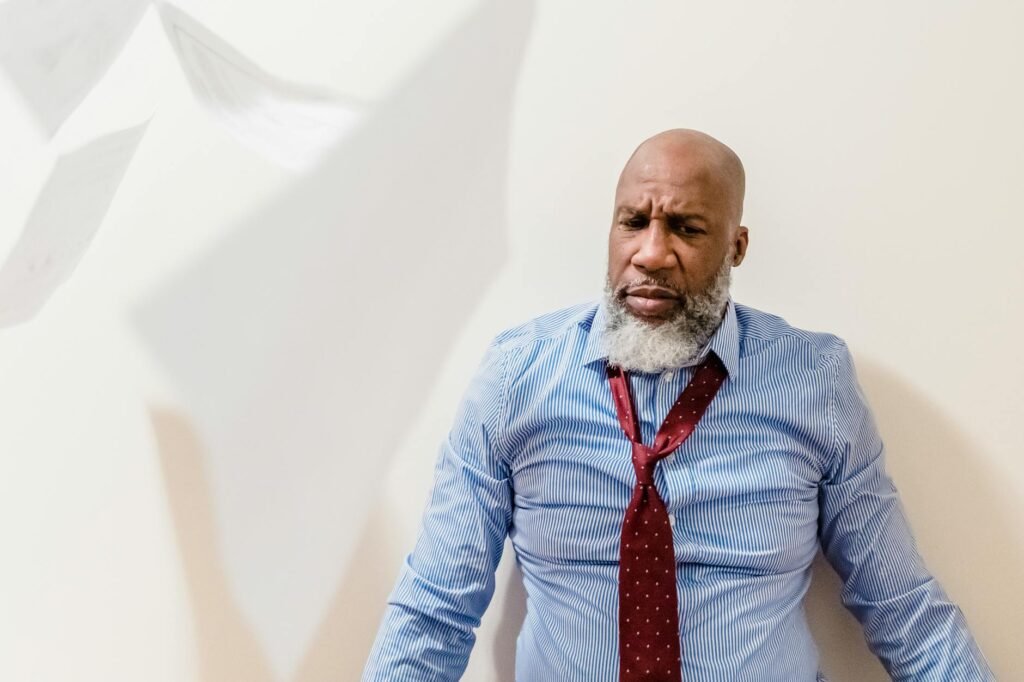
Cognitive Behavioral Therapy (CBT) Techniques
Cognitive Behavioral Therapy (CBT) is a highly effective therapeutic approach for managing anxiety. CBT helps you identify and challenge negative thought patterns that contribute to anxiety. It teaches you coping mechanisms to manage difficult situations and build resilience. Find a CBT therapist near you.
Seeking Professional Support
Don’t hesitate to reach out for professional help if you’re struggling with anxiety. A therapist or counselor can provide personalized guidance and support. They can help you develop coping strategies tailored to your specific needs and situation. Learn more about therapy options.
Relaxation and Self-Care
Incorporating relaxation techniques into your daily routine is essential. This could include activities like yoga, spending time in nature, listening to calming music, or engaging in hobbies you enjoy. Prioritizing self-care isn’t selfish; it’s a necessary step in managing anxiety and protecting your mental health. [IMAGE_3_HERE] Discover relaxing activities to incorporate into your daily life. Remember that seeking help is a sign of strength, not weakness. Access mental health resources.
By combining these strategies and seeking support when needed, you can effectively manage your anxiety and lead a more fulfilling life. Remember, progress takes time and patience. Be kind to yourself throughout the process.
Frequently Asked Questions
What are the common symptoms of anxiety? Common symptoms include racing heart, shortness of breath, sweating, trembling, and feelings of worry or unease.
Is anxiety treatable? Yes, anxiety is highly treatable. There are many effective therapies and coping mechanisms available.
When should I seek professional help? If your anxiety is significantly impacting your daily life or causing distress, it’s time to seek professional help.
Are there any natural ways to manage anxiety? Yes, regular exercise, mindfulness practices, and a healthy diet can be beneficial.
How long does it take to see improvements in anxiety management? The timeframe varies depending on the individual and the treatment approach. Consistency is key.