
Embarking on a weight loss journey can feel overwhelming, but with the right approach and consistent effort, achieving your goals is entirely possible. This guide provides practical tips to help you shed those extra pounds and improve your overall well-being.
Understanding Your Body
Before diving into specific strategies, it’s crucial to understand your body’s unique needs. Factors like metabolism, genetics, and lifestyle play significant roles in weight management. Consulting a healthcare professional or registered dietitian can provide personalized guidance and help you create a plan tailored to your individual circumstances. 
Nutrition: Fueling Your Body for Success
Nutrition forms the cornerstone of any effective weight loss plan. Focus on consuming a balanced diet rich in whole, unprocessed foods. Prioritize fruits, vegetables, lean proteins, and whole grains. Limiting processed foods, sugary drinks, and excessive unhealthy fats is also crucial. Learn more about healthy eating habits to optimize your weight loss efforts. Remember to stay hydrated by drinking plenty of water throughout the day. 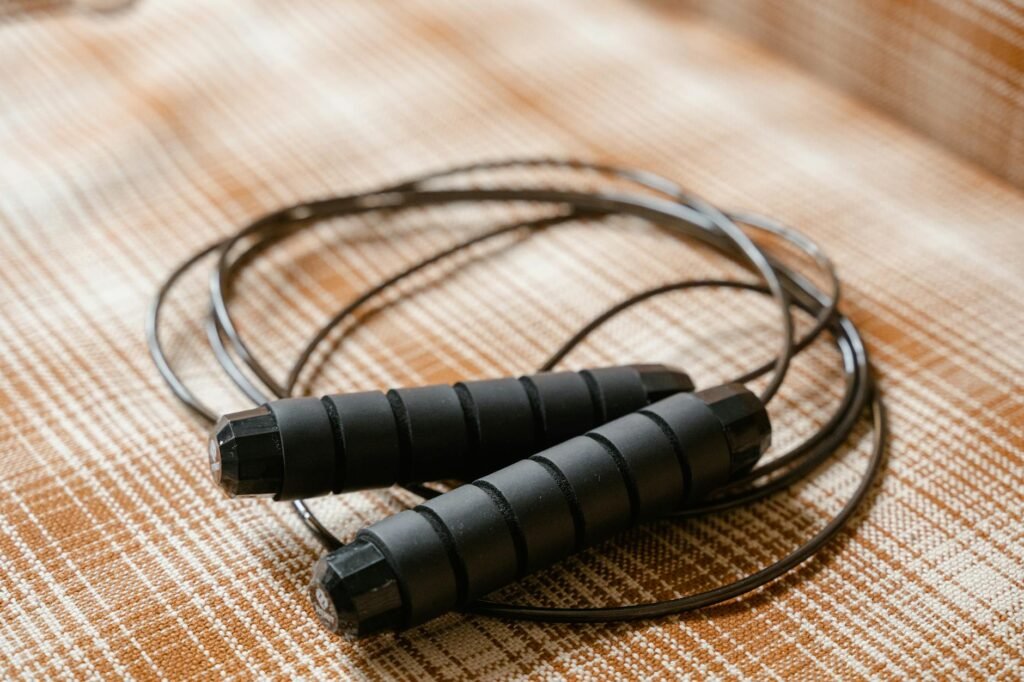
Exercise: Moving Your Body for Weight Loss
Regular physical activity is essential for weight loss and overall health. Aim for at least 150 minutes of moderate-intensity or 75 minutes of vigorous-intensity aerobic exercise per week, as recommended by the CDC. Incorporate a mix of cardio and strength training exercises to build muscle mass and boost your metabolism. Consider joining a gym, taking up a new sport, or simply incorporating more movement into your daily routine. Find an exercise buddy to increase motivation and accountability.
Mindset and Motivation
Weight loss is a journey, not a race. Maintaining a positive mindset and cultivating strong motivation are essential for long-term success. Set realistic goals, celebrate small victories, and don’t get discouraged by occasional setbacks. Remember to prioritize self-care and listen to your body. Finding a support system, whether it’s friends, family, or a support group, can provide encouragement and accountability. You can also find helpful resources and tips on weight loss communities online.
Sleep and Stress Management
Often overlooked, sleep and stress management play a vital role in weight loss. Aim for 7-9 hours of quality sleep each night. Chronic sleep deprivation can disrupt hormones that regulate appetite and metabolism, making weight loss more challenging. Effective stress management techniques, such as meditation, yoga, or spending time in nature, can also positively impact your weight loss journey. Learn more about stress-reducing activities. [IMAGE_3_HERE]
Consistency and Patience
Sustainable weight loss requires consistency and patience. Results won’t happen overnight, and there will be challenges along the way. Focus on making gradual, sustainable changes to your lifestyle rather than resorting to drastic measures that are difficult to maintain. Celebrate your progress along the way, and remember that setbacks are a normal part of the process. Remember to consult with your doctor before starting any new diet or exercise program.
By incorporating these tips into your daily life, you can increase your chances of achieving sustainable weight loss and improving your overall health and well-being. Remember that consistency and patience are key!
Frequently Asked Questions
What is the best diet for weight loss? There’s no one-size-fits-all answer; the best diet is one you can sustain long-term. Focus on whole, unprocessed foods.
How much weight should I aim to lose per week? A healthy rate of weight loss is generally considered to be 1-2 pounds per week.
What if I plateau? Weight loss plateaus are common. Re-evaluate your diet and exercise routine, and consider consulting a professional.
Is exercise really necessary for weight loss? While diet plays a major role, exercise is crucial for overall health and can boost weight loss results.
How can I stay motivated? Set realistic goals, find a support system, celebrate small victories, and don’t be afraid to ask for help.