
Embarking on a weight loss journey can be challenging, but with the right approach and a focus on sustainable habits, achieving your goals is entirely possible. This guide focuses on weight loss strategies specifically tailored for women, considering the unique physiological and lifestyle factors that may influence our bodies differently than men’s.
Understanding Your Body
Hormonal fluctuations are a significant factor in weight management for women. Understanding your menstrual cycle and its impact on metabolism, appetite, and energy levels can be crucial in creating a successful plan. Tracking your cycle and adjusting your diet and exercise accordingly can significantly improve results. 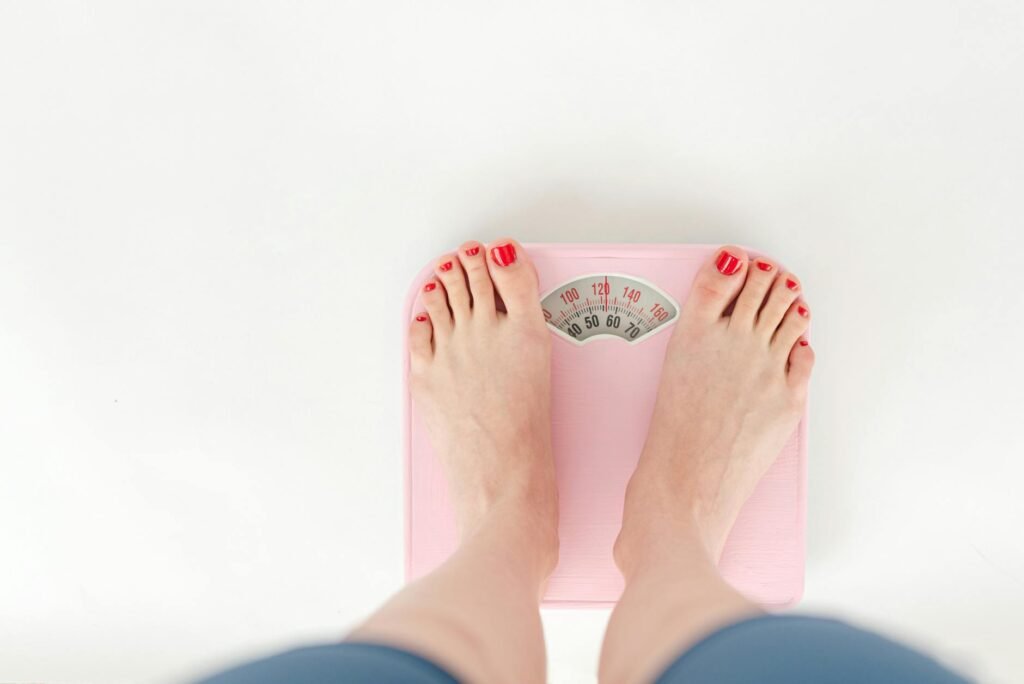
Nutrition for Women’s Weight Loss
Focus on nutrient-dense foods like fruits, vegetables, lean proteins, and whole grains. Prioritize foods that support hormonal balance, such as those rich in fiber and healthy fats. Remember to stay hydrated! Drinking plenty of water throughout the day helps boost metabolism and can curb appetite. Consider consulting a registered dietitian or nutritionist for personalized guidance. Learn more about nutrition planning.
Exercise: Finding What Works for You
Finding an exercise routine you enjoy is key to long-term success. Experiment with different activities, whether it’s dancing, swimming, strength training, yoga, or brisk walking. Aim for a combination of cardio and strength training for optimal results. Remember to listen to your body and rest when needed. Strength Training for Women can be particularly beneficial in building muscle mass, which boosts metabolism.
Mindfulness and Stress Management
Stress can significantly impact weight management. Chronic stress can lead to increased cortisol levels, which can promote weight gain. Incorporating stress-reducing techniques into your routine, such as meditation, yoga, or spending time in nature, is crucial.  Learn more about stress management techniques to support your weight loss journey.
Prioritizing Sleep and Rest
Sufficient sleep is often overlooked but is essential for weight management. When you don’t get enough sleep, your body produces more ghrelin, a hormone that stimulates appetite, and less leptin, a hormone that suppresses appetite. Aim for 7-9 hours of quality sleep each night. Create a relaxing bedtime routine to help you wind down before bed.
Setting Realistic Goals and Celebrating Success
Avoid crash diets and focus on making sustainable lifestyle changes. Set realistic, achievable goals, and celebrate your progress along the way. Remember, weight loss is a journey, not a race. Don’t get discouraged by setbacks; learn from them and keep moving forward. Find support groups online. [IMAGE_3_HERE] Consider tracking your progress using a journal or app. Try a fitness tracker to monitor your activity levels.
By focusing on a holistic approach that considers nutrition, exercise, stress management, and sleep, you can achieve sustainable weight loss and improve your overall well-being. Remember to consult with healthcare professionals for personalized advice.
Frequently Asked Questions
What is the best diet for weight loss? There’s no one-size-fits-all answer. The best diet is one you can sustain long-term and that provides balanced nutrition. A balanced diet with plenty of fruits, vegetables, lean protein, and whole grains is generally recommended.
How much weight should I aim to lose per week? A healthy rate of weight loss is typically 1-2 pounds per week. Faster weight loss can sometimes be unsustainable and may lead to muscle loss.
What if I plateau? Weight loss plateaus are common. Re-evaluate your diet and exercise routine, and consider consulting a healthcare professional or registered dietitian to identify potential adjustments.
How can I stay motivated? Find an exercise buddy, track your progress, set realistic goals, and reward yourself for milestones reached. Remember to focus on the positive changes in your overall health and well-being.
Is it okay to skip meals to lose weight? Skipping meals is generally not recommended. It can lead to overeating later in the day and may disrupt your metabolism. Focus on consuming regular, balanced meals.