Antioxidants are substances that can prevent or slow damage to cells caused by free radicals, unstable molecules that the body produces as a reaction to environmental and other pressures. They’re essential for maintaining good health, and are found in a wide variety of foods. But how exactly do they work, and which ones are the most beneficial?
Understanding Free Radicals
Free radicals are molecules with an unpaired electron, making them highly reactive. This reactivity can lead to damage to cells, proteins, and DNA, potentially contributing to aging and various health problems. Think of them like tiny rust particles causing damage at a cellular level. 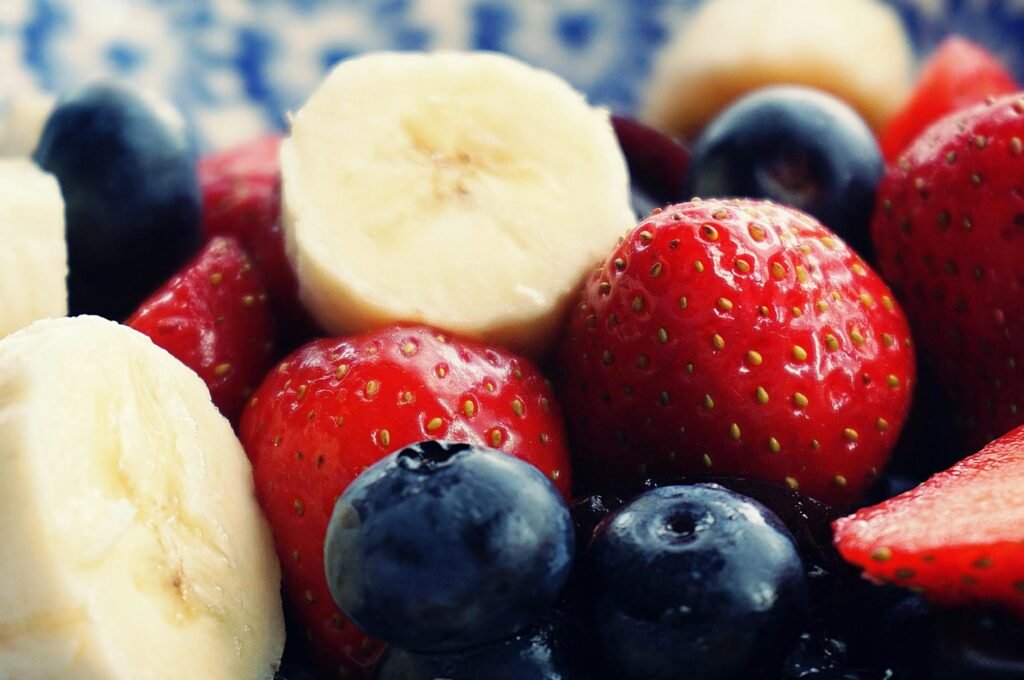
How Antioxidants Work
Antioxidants neutralize free radicals by donating an electron, stabilizing the free radical and preventing it from causing further damage. This process helps protect your cells from oxidative stress, a condition linked to many chronic diseases. It’s like having a tiny army of protectors safeguarding your body at the cellular level.
Best Sources of Antioxidants
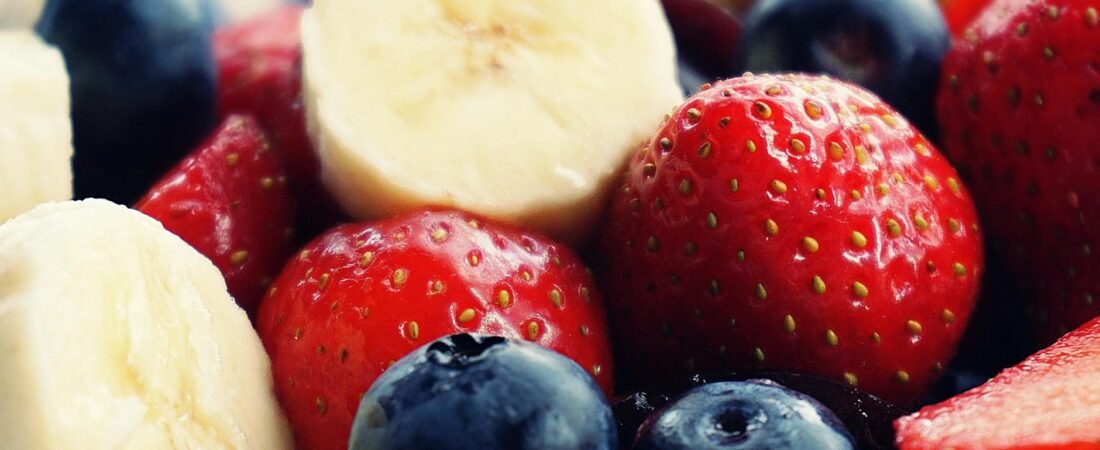
Many fruits and vegetables are packed with antioxidants. Berries, such as blueberries and strawberries, are particularly rich in antioxidants. Other excellent sources include dark leafy greens like spinach and kale, and colorful vegetables like bell peppers and carrots. This article provides an even more extensive list.
Types of Antioxidants
There’s a wide variety of antioxidants, each with its own unique properties. Some of the most well-known include Vitamin C, Vitamin E, and beta-carotene. Learn more about Vitamin C and its role in boosting your immune system. Other important antioxidants include lycopene (found in tomatoes) and anthocyanins (found in berries).
The Benefits of Antioxidants
Beyond protecting against cell damage, antioxidants are associated with several health benefits. Studies suggest they may help reduce the risk of chronic diseases, such as heart disease, cancer, and Alzheimer’s disease. Read more about the connection between antioxidants and heart health. Regular consumption of antioxidant-rich foods is often linked to improved overall well-being. 
Antioxidant Supplements
While a balanced diet rich in fruits and vegetables is the best way to obtain antioxidants, some people may opt for supplements. However, it’s crucial to consult your doctor before taking any supplements, as excessive intake of certain antioxidants can have adverse effects. This resource discusses the potential benefits and risks of antioxidant supplements. It’s always recommended to prioritize a whole-foods approach.
In conclusion, antioxidants play a vital role in maintaining good health by protecting our cells from damage caused by free radicals. Incorporating antioxidant-rich foods into your diet is a simple yet powerful step towards a healthier lifestyle. [IMAGE_3_HERE] Remember to always consult your doctor before making significant dietary changes or taking supplements. More information on healthy eating can be found here.
Frequently Asked Questions
What are the best food sources of antioxidants? Berries, dark leafy greens, and colorful vegetables are excellent sources of antioxidants.
Are antioxidant supplements necessary? Generally, a balanced diet provides sufficient antioxidants. Supplements should only be considered after consulting a doctor.
Can I overdose on antioxidants? While rare, excessive intake of certain antioxidants can have negative consequences. It’s important to maintain a balanced intake.
What are the long-term benefits of consuming antioxidants? Long-term benefits may include a reduced risk of chronic diseases and improved overall well-being.
How do antioxidants interact with other nutrients? Antioxidants work synergistically with other nutrients to provide comprehensive health benefits.