
Losing weight can be a challenging journey, often filled with setbacks and frustration. Many people, despite their best efforts, struggle to see results because they’re making common mistakes that hinder their progress. This blog post will explore some of these pitfalls, offering strategies to overcome them and achieve your weight loss goals.
Unrealistic Expectations and Quick Fixes
One of the biggest mistakes is expecting overnight results. Weight loss is a gradual process, and expecting to shed pounds quickly often leads to disappointment and giving up. Avoid fad diets or miracle cures promising rapid weight loss; these are rarely sustainable and can be harmful to your health. Instead, focus on making small, consistent changes to your diet and lifestyle that you can maintain long-term. 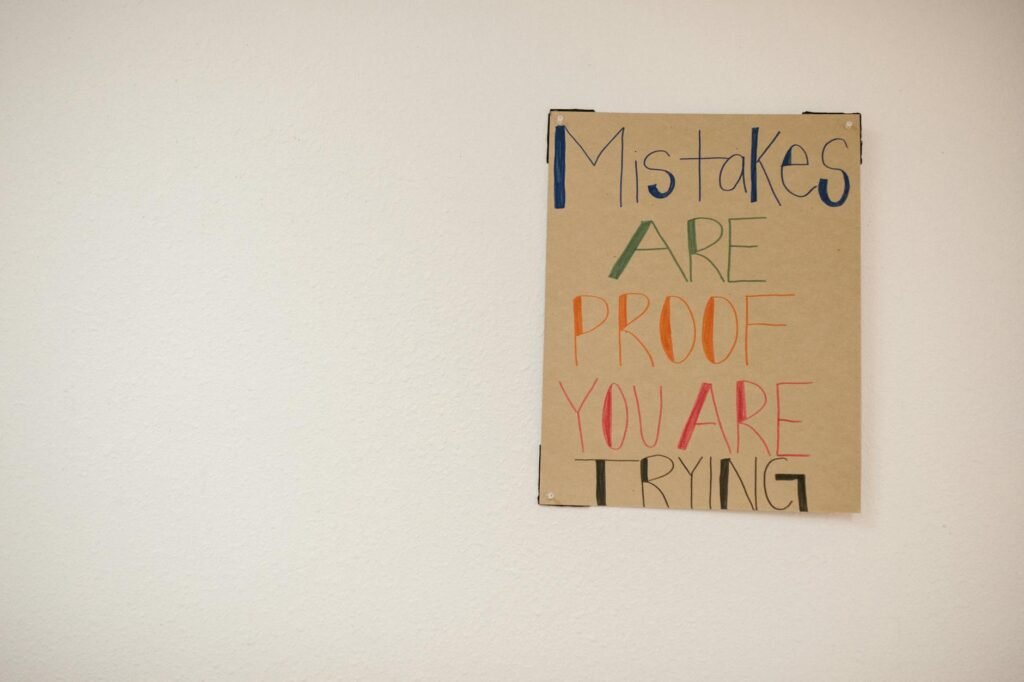
Ignoring Portion Control
Even healthy foods can contribute to weight gain if consumed in excessive amounts. Learning to control your portions is crucial. Use smaller plates, measure your food, and pay attention to your body’s hunger and fullness cues. Many people underestimate how much they’re actually eating. Consider using a food scale and tracking your calorie intake using a reputable app, such as MyFitnessPal MyFitnessPal or Lose It! Lose It! to help manage portions and keep a better eye on your calorie goals. This is key to mastering healthy eating habits.
Skipping Meals or Restricting Food Groups
Skipping meals or severely restricting certain food groups can backfire. Your body needs consistent fuel to function optimally, and deprivation can lead to intense cravings and overeating later. It can also lead to nutritional deficiencies which can negatively impact your overall health. A balanced diet that includes all food groups is essential for sustainable weight loss. Learn more about creating a balanced meal plan.
Lack of Exercise and Physical Activity
Diet alone is often insufficient for significant weight loss. Regular physical activity is essential for burning calories, improving your metabolism, and boosting your overall health. Find an activity you enjoy, whether it’s running, swimming, dancing, or simply taking more walks throughout the day. Aim for at least 150 minutes of moderate-intensity or 75 minutes of vigorous-intensity aerobic exercise per week, as recommended by the CDC. 
Neglecting Sleep and Stress Management
Sufficient sleep and stress management are often overlooked aspects of weight loss. Lack of sleep disrupts hormones that regulate appetite and metabolism, leading to increased hunger and cravings. Chronic stress can also trigger the release of cortisol, a hormone that promotes fat storage. Prioritize getting 7-9 hours of quality sleep each night and incorporate stress-reducing techniques such as yoga, meditation, or spending time in nature. Read more about the importance of sleep in weight management.
Ignoring Hidden Sugars and Processed Foods
Many processed foods, drinks, and even seemingly healthy options contain hidden sugars that can significantly impact your weight loss efforts. Be mindful of labels and look for products with low added sugar content. Opt for whole, unprocessed foods whenever possible. [IMAGE_3_HERE]
Sustainable weight loss requires a holistic approach that encompasses healthy eating habits, regular exercise, adequate sleep, stress management, and realistic expectations. By avoiding these common pitfalls and making gradual, consistent changes, you can achieve your weight loss goals and maintain a healthier lifestyle.
Frequently Asked Questions
What is the best way to track my calorie intake? There are many helpful apps available, such as MyFitnessPal and Lose It!, that can assist you in tracking your daily caloric intake and macronutrient breakdown. You can also use a food journal and scale to manually record your meals.
How much exercise is recommended for weight loss? The CDC recommends at least 150 minutes of moderate-intensity or 75 minutes of vigorous-intensity aerobic activity per week, in addition to muscle-strengthening activities.
What are some healthy snacks to avoid overeating? Fruits, vegetables, nuts, and Greek yogurt are great choices. These options provide fiber and protein, which can help you feel fuller for longer.
Is it okay to skip meals for weight loss? No, skipping meals is generally not recommended. It can lead to increased hunger and overeating later in the day, hindering your weight loss efforts. Regular, balanced meals are crucial for maintaining energy levels and metabolism.
How can I manage stress effectively while trying to lose weight? Incorporate stress-reducing activities into your routine, such as yoga, meditation, or spending time in nature. Ensure you’re getting enough sleep, as poor sleep can increase stress hormones.