
Embarking on a weight loss journey can be exciting, but it’s also easy to fall into common traps that hinder your progress. This post highlights 10 frequent mistakes to avoid, setting you up for a healthier and more successful weight loss experience. Remember, consistency and a balanced approach are key!
Setting Unrealistic Expectations
Many begin with overly ambitious goals, leading to discouragement and eventual giving up. Instead of aiming for drastic changes, start with small, achievable steps. For example, aim for a 1-2 pound weight loss per week. This gradual approach is more sustainable and helps build healthy habits. 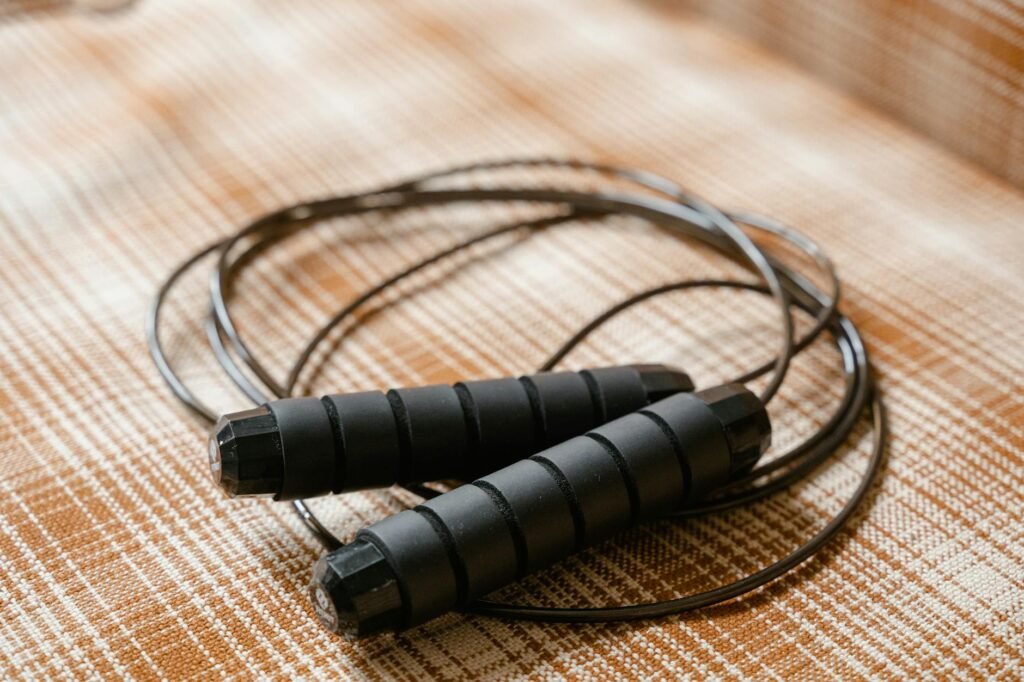
Ignoring Your Calorie Intake
You can’t out-exercise a bad diet. Tracking your calorie intake, even roughly, provides awareness of your consumption habits. Consider using a calorie-tracking app or keeping a food journal. This allows you to make informed choices and stay within your daily calorie goals. Learn more about calculating your daily caloric needs.
Skipping Meals
Skipping meals, especially breakfast, can lead to overeating later in the day. Your body needs fuel to function efficiently and a regular eating schedule helps regulate your metabolism and blood sugar levels. Check out our guide on healthy breakfast ideas for weight loss.
Focusing Solely on the Scale
The scale isn’t the only indicator of progress. Focus on other measures like body composition, strength, and energy levels. Muscle weighs more than fat, so even if the scale doesn’t show a dramatic change, you may be building muscle and losing fat. This article explores the importance of body composition.
Neglecting Strength Training
Cardio is important, but strength training is crucial for building muscle mass, which boosts metabolism and burns more calories even at rest. Incorporate strength training at least two to three times per week. For beginners, this website offers great workout routines. 
Depriving Yourself
Extreme diets and drastic food restrictions are unsustainable and often lead to binge eating. Instead, focus on a balanced diet rich in whole foods, lean protein, fruits, and vegetables. Allow yourself occasional treats in moderation to avoid feeling deprived.
Not Getting Enough Sleep
Sufficient sleep is vital for weight management. Lack of sleep disrupts hormones that regulate appetite, leading to increased cravings and calorie intake. Aim for 7-9 hours of quality sleep each night. Learn about improving sleep hygiene for better results.
Ignoring Stress
Stress can lead to overeating and hinder weight loss efforts. Practice stress-management techniques such as meditation, yoga, or spending time in nature. This resource provides tips on managing stress.
Lack of Consistency
Consistency is key. Don’t expect overnight results. Set realistic goals, stay committed to your plan, and celebrate your progress along the way. [IMAGE_3_HERE]
Remember, sustainable weight loss is a marathon, not a sprint. By avoiding these common mistakes, you’ll increase your chances of success and create lasting healthy habits.
Frequently Asked Questions
What is the best diet for weight loss? There’s no one-size-fits-all answer, but a balanced diet rich in whole foods is crucial. Prioritize lean proteins, fruits, vegetables, and whole grains.
How much exercise do I need to lose weight? Aim for at least 150 minutes of moderate-intensity or 75 minutes of vigorous-intensity aerobic activity per week, combined with strength training exercises twice a week.
What if I slip up? Don’t beat yourself up! Everyone makes mistakes. Just get back on track with your healthy eating and exercise plan as soon as possible.
Is it okay to lose weight quickly? Rapid weight loss is often unsustainable and can be harmful to your health. Aim for a gradual and healthy weight loss of 1-2 pounds per week.
How can I stay motivated? Find an exercise buddy, track your progress, reward yourself (non-food related!), and focus on the positive changes you’re making to your health.