
Losing weight can be a challenging journey, but with the right approach, it’s definitely achievable. There’s no magic bullet, but certain diets have proven more effective than others at helping people shed pounds and keep them off. This post explores some of the best weight loss diets that actually work, focusing on sustainable lifestyle changes rather than quick fixes.
Understanding Your Metabolism
Before diving into specific diets, it’s crucial to understand your metabolism and how it impacts weight loss. A healthy metabolism plays a vital role in burning calories and maintaining a healthy weight. Factors such as genetics, age, and activity level influence your metabolic rate. Consulting a doctor or registered dietitian can help you determine your individual metabolic needs and create a personalized weight loss plan. 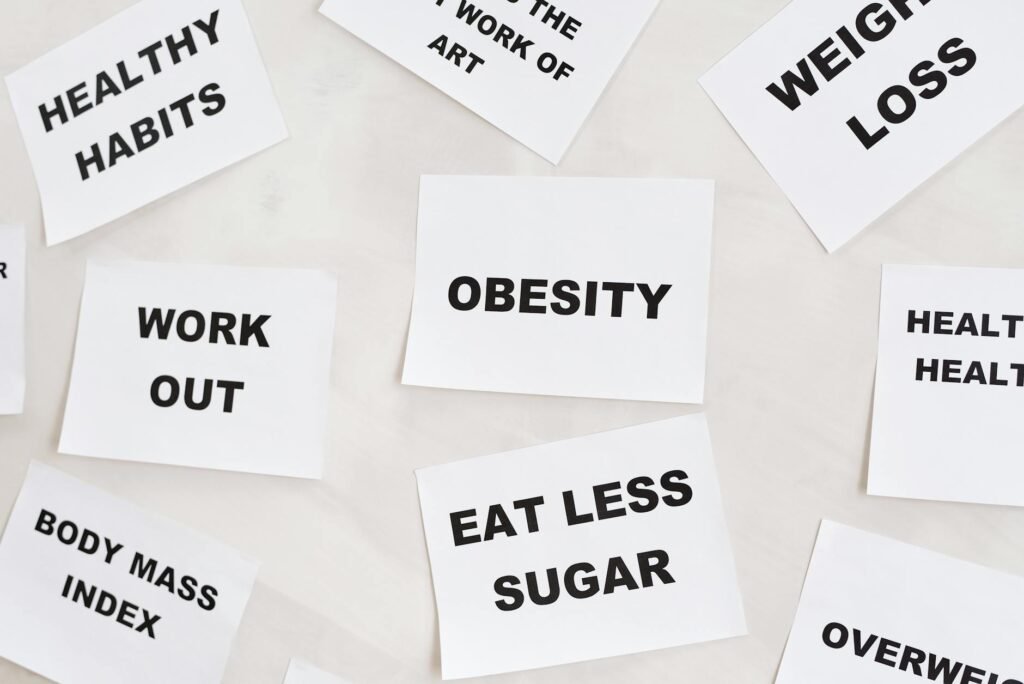
The Mediterranean Diet: A Heart-Healthy Approach
The Mediterranean diet emphasizes whole, unprocessed foods like fruits, vegetables, whole grains, legumes, nuts, and olive oil. It’s rich in healthy fats and antioxidants, promoting overall health and weight management. Studies have shown its effectiveness in reducing the risk of heart disease and promoting weight loss. This diet focuses on portion control and mindful eating. You can find many delicious recipes online to make the transition easier. Learn more about the Mediterranean Diet here.
The DASH Diet: Lowering Blood Pressure and Losing Weight
Designed to combat high blood pressure, the DASH (Dietary Approaches to Stop Hypertension) diet is surprisingly effective for weight loss too. It focuses on fruits, vegetables, whole grains, and lean protein, while limiting saturated and unhealthy fats, sodium, and added sugars. The emphasis on nutrient-dense foods helps you feel full and satisfied, naturally reducing calorie intake. It is a simple yet effective plan. Maintaining a balanced diet is key to long-term success.
Intermittent Fasting: Mastering Your Eating Schedule
Intermittent fasting (IF) isn’t a diet in the traditional sense, but rather an eating pattern that cycles between periods of eating and voluntary fasting. Popular methods include the 16/8 method (fasting for 16 hours, eating within an 8-hour window) or the 5:2 diet (eating normally for 5 days, restricting calories for 2 days). While it can be effective, it’s crucial to approach IF cautiously and consult your doctor, especially if you have underlying health conditions. 
The Flexitarian Diet: The Flexible Vegetarian Approach
The flexitarian diet offers a flexible approach to vegetarianism. It allows for occasional meat consumption while emphasizing plant-based foods like fruits, vegetables, legumes, and whole grains. This approach can be easier to maintain than strict vegetarianism, making it a great option for those who want to reduce their meat intake and improve their health. Choosing healthy substitutes is essential for this diet.
The Importance of Exercise
No matter which diet you choose, incorporating regular exercise is essential for weight loss and overall health. Exercise helps you burn calories, build muscle mass, and improve your metabolism. Aim for at least 150 minutes of moderate-intensity aerobic activity per week, along with strength training exercises twice a week. Find a workout plan that suits you.
Ultimately, the best weight loss diet is the one you can stick to consistently. Focus on making sustainable lifestyle changes rather than following restrictive fad diets. Combining a balanced diet with regular exercise will lead to lasting results and improved well-being. [IMAGE_3_HERE] Remember to consult with healthcare professionals to create a plan that aligns with your specific health needs and goals. Consult a nutritionist for personalized advice.
Frequently Asked Questions
What is the fastest way to lose weight? While rapid weight loss may seem appealing, it’s often unsustainable and unhealthy. Slow and steady weight loss is more likely to be maintained in the long term.
Are weight loss supplements effective? While some supplements might offer minor benefits, they shouldn’t replace a healthy diet and exercise routine. Always consult your doctor before taking any weight loss supplements.
How can I prevent weight regain after losing weight? Maintaining a healthy diet and regular exercise, as well as managing stress, are crucial for preventing weight regain. Consistent lifestyle changes are key to long-term success.
What if I have a medical condition that affects my weight? If you have any underlying health conditions, it’s essential to consult a doctor or registered dietitian before making significant dietary changes.
How can I stay motivated during my weight loss journey? Set realistic goals, track your progress, reward yourself (healthily!), and surround yourself with a supportive community.