
Embarking on a weight loss journey can feel overwhelming, but with the right approach and consistent effort, achieving your goals is entirely possible. 2025 brings a renewed focus on sustainable, healthy habits, moving away from quick fixes and embracing long-term lifestyle changes. This guide provides practical, evidence-based tips to help you on your path to a healthier you.
Prioritize Whole Foods
The cornerstone of any successful weight loss plan is a diet rich in whole, unprocessed foods. Focus on incorporating plenty of fruits, vegetables, lean proteins, and whole grains. These foods are packed with nutrients, fiber, and antioxidants, keeping you feeling full and satisfied while providing your body with the fuel it needs. Minimize processed foods, sugary drinks, and excessive unhealthy fats. A balanced plate is key! 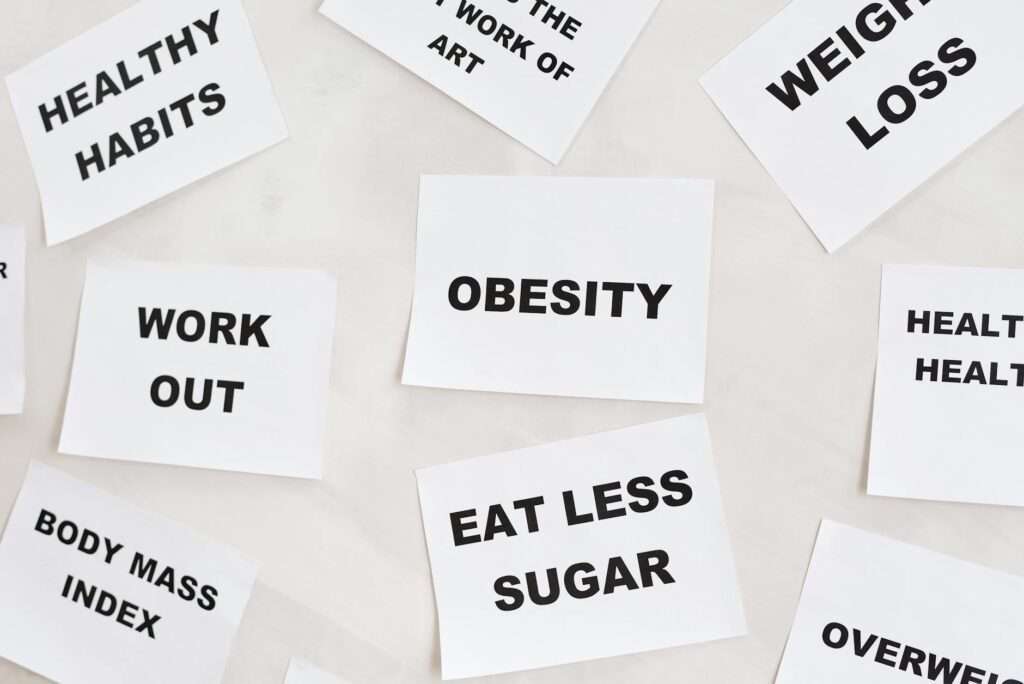
Find Your Fitness
Regular exercise isn’t just about burning calories; it plays a vital role in overall health and well-being. Find activities you enjoy, whether it’s brisk walking, swimming, dancing, or weight training. The goal is to find something sustainable that you can integrate into your daily or weekly routine. Aim for at least 150 minutes of moderate-intensity or 75 minutes of vigorous-intensity aerobic activity per week, along with muscle-strengthening activities twice a week. Check out this resource for more detailed workout plans.
Mindful Eating Matters
Paying attention to your eating habits is crucial for weight management. Practice mindful eating by savoring your food, eating slowly, and paying attention to your body’s hunger and fullness cues. Avoid distractions like television or your phone while eating. This helps you develop a better understanding of your body’s needs and prevents overeating. Consider keeping a food journal to track your intake and identify potential areas for improvement. Learn more about mindful eating techniques to maximize your results.
Prioritize Sleep and Stress Management
Often overlooked, sleep and stress management are critical for weight loss success. Chronic lack of sleep disrupts hormones that regulate appetite, leading to increased hunger and cravings. Similarly, chronic stress can trigger the release of cortisol, a hormone linked to weight gain, particularly around the abdomen. Aim for 7-9 hours of quality sleep per night, and incorporate stress-reducing activities into your routine, such as yoga, meditation, or spending time in nature. Explore these relaxation techniques to manage stress effectively.
Hydration is Key
Staying properly hydrated is often underestimated in its importance for weight loss. Water helps to boost your metabolism, can curb appetite, and aids in overall bodily functions. Aim for at least 8 glasses of water a day and consider adding some lemon or cucumber for flavor. It can also help to replace sugary drinks with water, reducing your overall calorie intake. 
Seek Support and Stay Consistent
Weight loss is a journey, not a race. Surround yourself with a support system of friends, family, or a support group to help you stay motivated and accountable. Remember that setbacks are normal; don’t let them derail your progress. Stay consistent with your healthy eating and exercise habits, and celebrate your successes along the way. Consider joining an online community or connecting with a personal trainer or nutritionist for extra support. Read our guide on finding a weight loss buddy.
By incorporating these tips into your lifestyle, you can set yourself up for sustainable weight loss success in 2025 and beyond. Remember consistency and patience are key. You’ve got this!
Frequently Asked Questions
What if I slip up? Don’t beat yourself up! One unhealthy meal or missed workout won’t undo all your progress. Just get back on track with your next meal or workout.
How quickly will I see results? Weight loss varies from person to person. Focus on making sustainable lifestyle changes, and you will start to see results over time. Be patient and celebrate your small victories along the way.
Is it okay to use supplements? While some supplements may help, they should not replace a balanced diet and exercise. Always consult your doctor or a registered dietitian before starting any new supplements. Learn more about supplement safety here.
What if I have underlying health conditions? It’s crucial to consult your doctor before starting any weight loss program, especially if you have underlying health conditions. They can help you create a safe and effective plan.
How can I stay motivated? Find an exercise buddy, track your progress, set realistic goals, reward yourself (non-food related!), and celebrate your milestones!