Losing weight can feel like a daunting task, but it’s entirely achievable at home without any fancy equipment. This guide provides simple yet effective strategies to help you shed those extra pounds and achieve your fitness goals from the comfort of your living room.
Understanding Your Body and Calorie Needs
Before you start any weight loss journey, it’s crucial to understand your body’s needs. Consider consulting a doctor or a registered dietitian to determine your ideal calorie intake. Remember, weight loss is all about creating a calorie deficit – consuming fewer calories than you burn. Calculating your Basal Metabolic Rate (BMR) using online calculators like this one can be a great starting point. This will give you a baseline understanding of how many calories your body burns at rest. 
Incorporating Cardio into Your Daily Routine
Cardiovascular exercise is essential for burning calories and improving your overall fitness. You don’t need a gym membership for this! Simple activities like brisk walking, jogging in place, jumping jacks, dancing to your favorite music, or even taking the stairs instead of the elevator can significantly contribute to your weight loss journey. Aim for at least 150 minutes of moderate-intensity cardio per week, broken into manageable chunks. For example, try three 30-minute sessions spread throughout the week. Learn more about building a cardio routine.
Strength Training at Home
While cardio is crucial for burning calories, strength training is equally important for building muscle mass. Muscle burns more calories than fat, even at rest, leading to a higher metabolic rate. Bodyweight exercises are perfect for home workouts. Simple exercises like squats, push-ups (you can modify these on your knees!), lunges, planks, and burpees are highly effective. Start with a few sets of 10-12 repetitions and gradually increase the number of sets and repetitions as you get stronger. 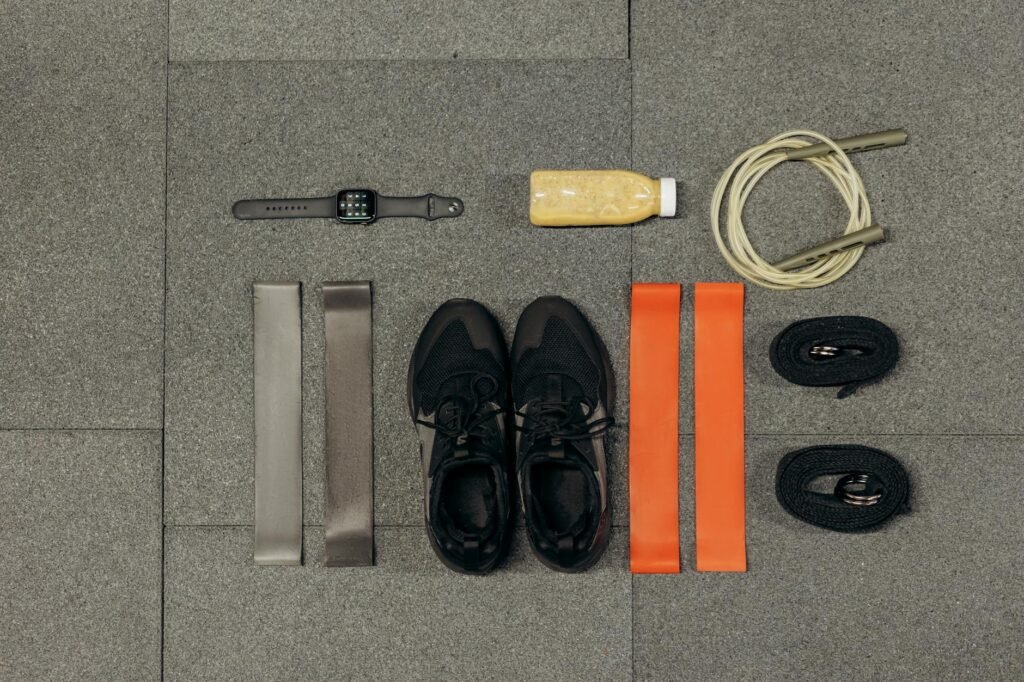 Check out our guide on effective home strength training exercises for more ideas.
The Importance of Diet and Nutrition
Exercise alone won’t magically melt away the pounds. A balanced and healthy diet is the cornerstone of any successful weight loss plan. Focus on incorporating plenty of fruits, vegetables, lean protein, and whole grains into your meals. Minimize processed foods, sugary drinks, and unhealthy fats. Stay hydrated by drinking plenty of water throughout the day. This article offers some great tips on healthy meal planning. Remember, portion control is key! [IMAGE_3_HERE]
Mindfulness and Consistency
Weight loss is a marathon, not a sprint. It requires consistency and patience. Don’t get discouraged if you don’t see results immediately. Focus on making sustainable lifestyle changes that you can maintain over the long term. Practice mindfulness and pay attention to your body’s hunger cues. Listen to your body and take rest days when needed. Consider tracking your progress using a journal or a fitness app to stay motivated and monitor your achievements. This app might be helpful for tracking.
Getting Enough Sleep and Managing Stress
Believe it or not, getting enough sleep and managing stress are crucial for successful weight loss. When you’re sleep-deprived or stressed, your body produces more cortisol, a hormone that can lead to weight gain. Aim for 7-9 hours of quality sleep each night. Find healthy ways to manage stress, such as meditation, yoga, or spending time in nature. [IMAGE_4_HERE]
By incorporating these strategies into your daily routine, you’ll be well on your way to achieving your weight loss goals from the comfort of your own home. Remember, consistency and patience are key. Celebrate your small victories and don’t be afraid to seek support from friends, family, or professionals along the way.
Frequently Asked Questions
What if I don’t see results quickly? Don’t get discouraged! Weight loss takes time. Stay consistent with your healthy habits, and you’ll eventually see results.
How many times a week should I exercise? Aim for at least 150 minutes of moderate-intensity cardio per week, along with strength training exercises two to three times a week.
What kind of diet should I follow? Focus on a balanced diet rich in fruits, vegetables, lean protein, and whole grains. Minimize processed foods, sugary drinks, and unhealthy fats.
Can I still lose weight if I have a busy schedule? Absolutely! Even short bursts of exercise throughout the day can be beneficial. Find small pockets of time for activity.
Is it okay to take rest days? Yes, rest days are essential for muscle recovery and preventing burnout. Listen to your body and take rest days when needed.