
Pilates is a fantastic method for building strength, improving flexibility, and enhancing core stability. It’s a low-impact workout suitable for various fitness levels, focusing on controlled movements and precise form. This guide will explore several key Pilates exercises to help you get started.
The Hundred
This foundational Pilates exercise is excellent for building core strength and improving breathing technique. Lie on your back with your knees bent and feet flat on the floor. Curl your head and shoulders slightly off the mat, engaging your abdominal muscles. Extend your arms alongside your body, then pump them up and down for 10 counts, inhaling for 5 counts and exhaling for 5 counts. Repeat this cycle 10 times. 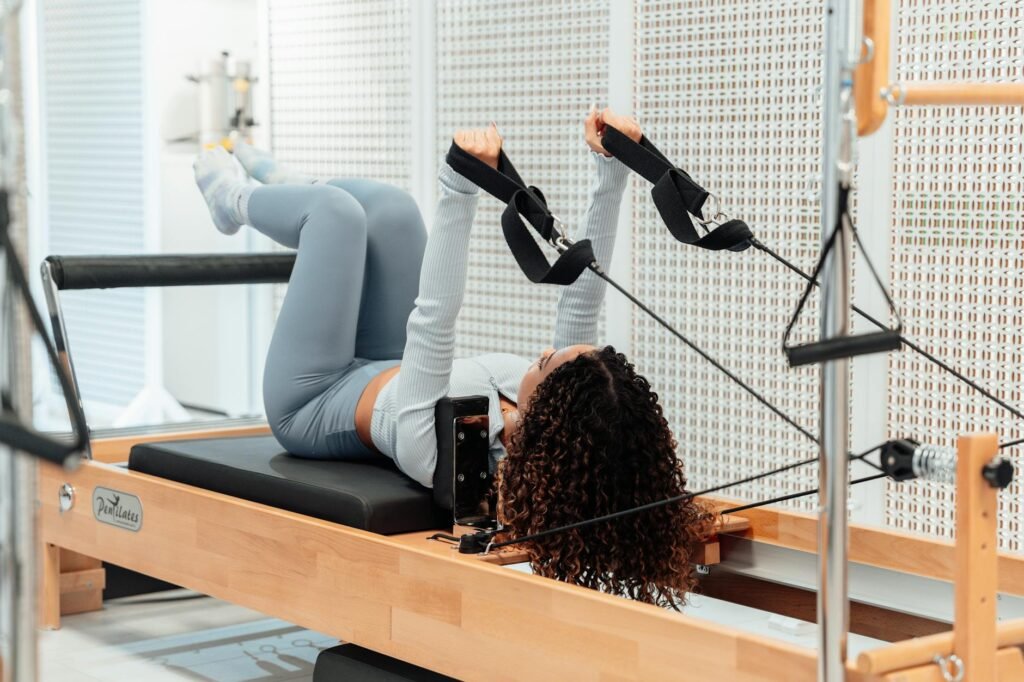
Roll-Up
The Roll-Up targets your entire abdominal region, improving spinal mobility and flexibility. Begin lying on your back with arms extended overhead. Inhale deeply, and as you exhale, slowly curl your spine up vertebra by vertebra, reaching towards your toes. Pause at the top, then slowly roll back down to the mat one vertebra at a time, controlling the movement. Remember to engage your core throughout the exercise. 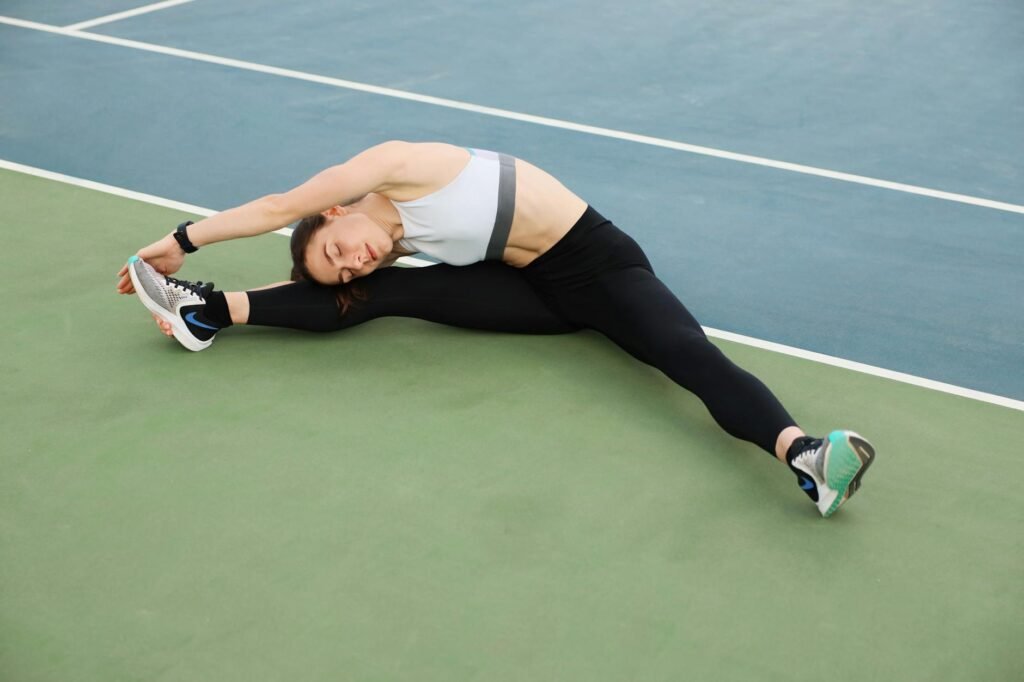
Single Leg Circle
This exercise strengthens the core and improves hip mobility. Lie on your back with one leg extended toward the ceiling and the other leg bent. Slowly draw circles with your extended leg, keeping your core engaged and your lower back pressed into the mat. Repeat the circles in one direction for 5 repetitions, then switch directions. Try to maintain a steady, controlled movement to maximize the benefits. Learn more about core engagement in our next blog post!
Plank
A classic exercise found in many fitness regimens, the plank is a fantastic way to build core strength and endurance. Begin in a push-up position, but with your forearms on the mat instead of your hands. Maintain a straight line from head to heels, engaging your core, glutes, and thighs. Hold for as long as you comfortably can, focusing on proper form. Check out this video for proper plank form. [IMAGE_3_HERE]
Swimming
This exercise strengthens your back and abdominal muscles simultaneously. Lie on your stomach with your arms and legs extended. Engage your core, then simultaneously lift your arms and opposite leg a few inches off the ground. Alternate lifting your arms and legs, as if you are swimming, maintaining a controlled movement. Focus on maintaining a neutral spine. This exercise improves posture and overall body awareness. Read more about improving posture here.
Side Kicks
Lie on your side with your legs extended and your upper body supported by your elbow. Engage your core, then slowly lift your top leg towards the ceiling. Lower the leg and repeat. For an added challenge, you can try smaller, quicker pulses or hold the leg up for a few seconds before lowering. Remember to keep your core engaged throughout the entire exercise. This exercise is excellent for strengthening the obliques and improving stability. [IMAGE_4_HERE]
Pilates is a journey, not a race. Start slowly, focus on your form, and gradually increase the intensity of the exercises as you get stronger. Remember to listen to your body and take breaks when needed. Consistency is key to seeing results! Discover more advanced Pilates exercises.
Frequently Asked Questions
What is the best time of day to do Pilates? Anytime that fits your schedule is a good time. Listen to your body and choose when you feel most energized and focused.
How often should I do Pilates? Aim for at least 2-3 sessions per week to see consistent improvement. Start with shorter sessions and gradually increase duration as your fitness improves.
Do I need any special equipment for Pilates? While you can begin with basic mat exercises, some people find equipment such as a reformer or Cadillac to be beneficial. Find out more about Pilates equipment.
Is Pilates suitable for beginners? Absolutely! Pilates is designed to be adaptable to all fitness levels. Focus on proper form and gradually increase the challenge.
Can Pilates help with back pain? Many find Pilates helps strengthen core muscles, improving posture and reducing back pain. However, consult a healthcare professional if you have severe back pain.