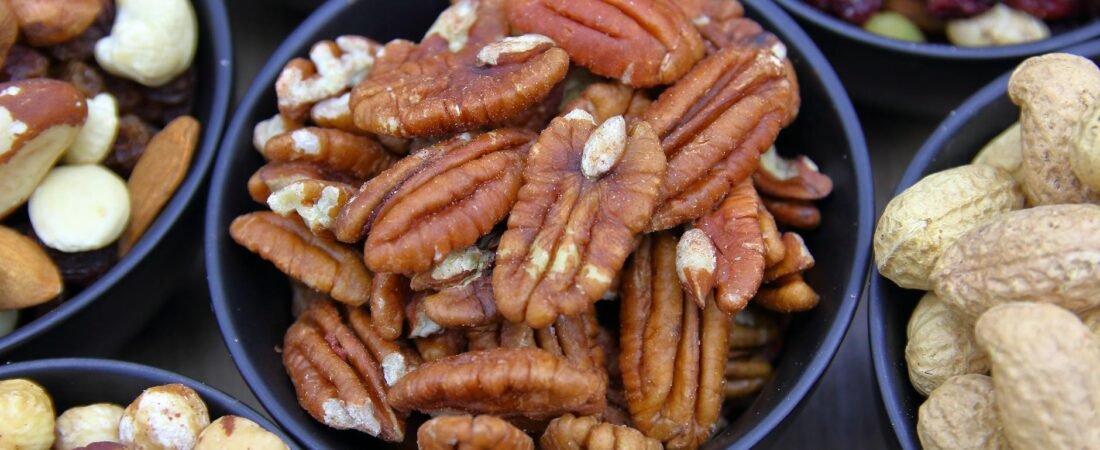
Feeling full and losing fat are common goals, and diet plays a crucial role. One often-overlooked element is fiber. This blog post explores the significant role fiber plays in satiety and fat loss.
Understanding Fiber’s Role in Satiety
Fiber, a type of carbohydrate the body can’t digest, adds bulk to your stool and helps regulate your digestive system. This bulkiness is key to feeling full. When fiber absorbs water in your gut, it expands, sending signals to your brain that you’re satisfied, curbing further food intake. Different types of fiber have varying effects; soluble fiber, found in oats and beans, forms a gel-like substance in the gut, promoting satiety more effectively than insoluble fiber, prevalent in wheat bran and vegetables. 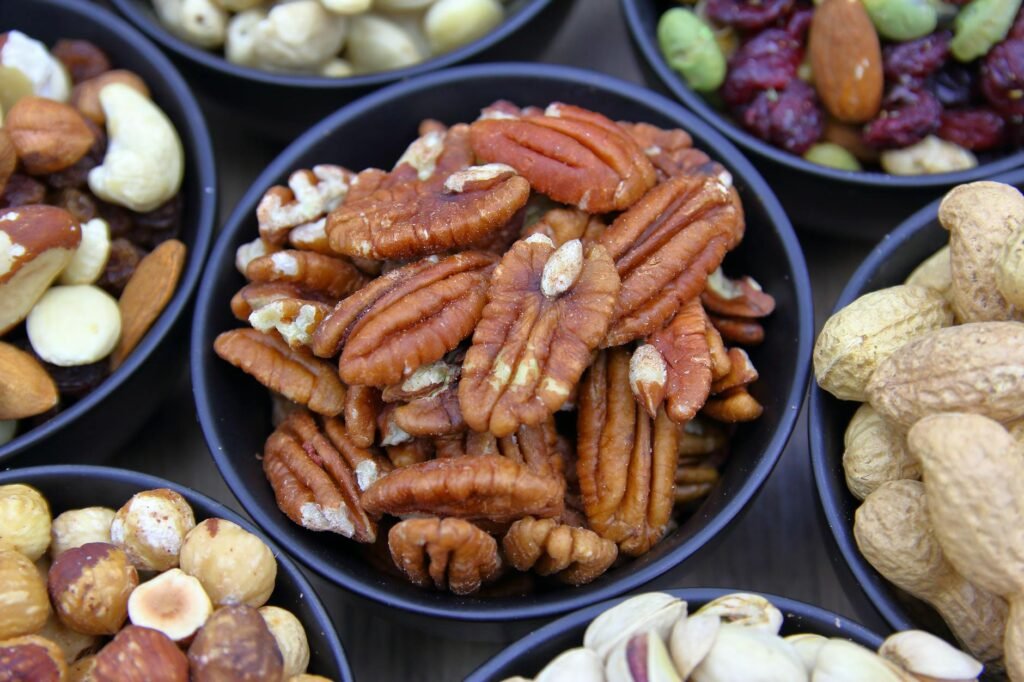
Fiber and Calorie Control
Because fiber-rich foods are generally more voluminous than refined carbohydrate options, you consume fewer calories for the same feeling of fullness. This is because fiber takes up space in your stomach, reducing your overall calorie consumption. Think about a bowl of high-fiber oatmeal versus a sugary cereal: you’ll likely feel more satisfied with less calories from the oatmeal. This contributes significantly to weight management. Learn more about calorie control strategies.
The Gut Microbiome Connection
Emerging research highlights the connection between fiber and your gut microbiome – the trillions of bacteria residing in your digestive tract. Fiber acts as prebiotic food for these beneficial bacteria, supporting their growth and activity. A healthy gut microbiome contributes to better digestion, improved nutrient absorption, and even influences hormones related to appetite and metabolism. 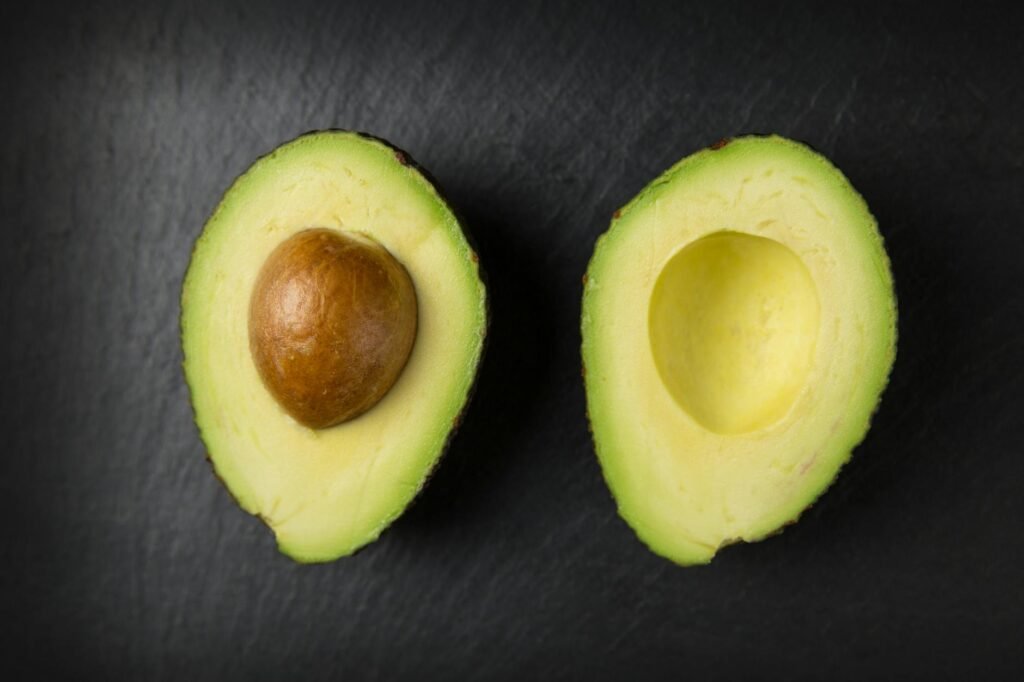 Read more about the gut microbiome.
Choosing the Right Fiber Sources
Not all fiber is created equal. Prioritize whole, unprocessed foods rich in fiber. This includes fruits, vegetables, legumes, whole grains, and nuts. Avoid processed foods containing added fiber, as these often lack the added nutritional benefits of whole foods. Gradually increasing your fiber intake is recommended to avoid digestive discomfort. Discover high-fiber recipes.
Fiber and Fat Loss: A Synergistic Relationship
Fiber doesn’t directly burn fat, but it creates a supportive environment for fat loss. By increasing satiety, controlling calorie intake, and promoting a healthy gut microbiome, fiber contributes significantly to a successful weight-loss journey. Combining a high-fiber diet with regular exercise and mindful eating habits maximizes results. [IMAGE_3_HERE] Check out this exercise plan.
Conclusion
Incorporating adequate fiber into your diet is a powerful strategy for managing weight and promoting overall health. Its role in satiety, calorie control, and gut microbiome health all contribute to a more sustainable approach to fat loss. Remember to increase fiber intake gradually and consult a healthcare professional or registered dietitian for personalized advice.
Frequently Asked Questions
What are the best sources of fiber? Excellent sources include fruits (berries, apples, pears), vegetables (broccoli, spinach, Brussels sprouts), legumes (beans, lentils), whole grains (oats, quinoa, brown rice), and nuts and seeds.
How much fiber should I consume daily? The recommended daily fiber intake varies depending on age and gender, but generally ranges from 25 to 35 grams. Consult the recommended daily allowance here.
What are the potential side effects of increasing fiber intake too quickly? Rapidly increasing fiber intake can lead to bloating, gas, and digestive discomfort. It’s best to gradually increase your fiber intake to allow your body to adjust.
Can fiber help with other health issues? Yes, fiber is linked to reduced risk of heart disease, type 2 diabetes, and some types of cancer.
Is there a difference between soluble and insoluble fiber? Yes, soluble fiber dissolves in water, forming a gel-like substance that can help lower cholesterol and blood sugar levels. Insoluble fiber adds bulk to the stool, promoting regularity.