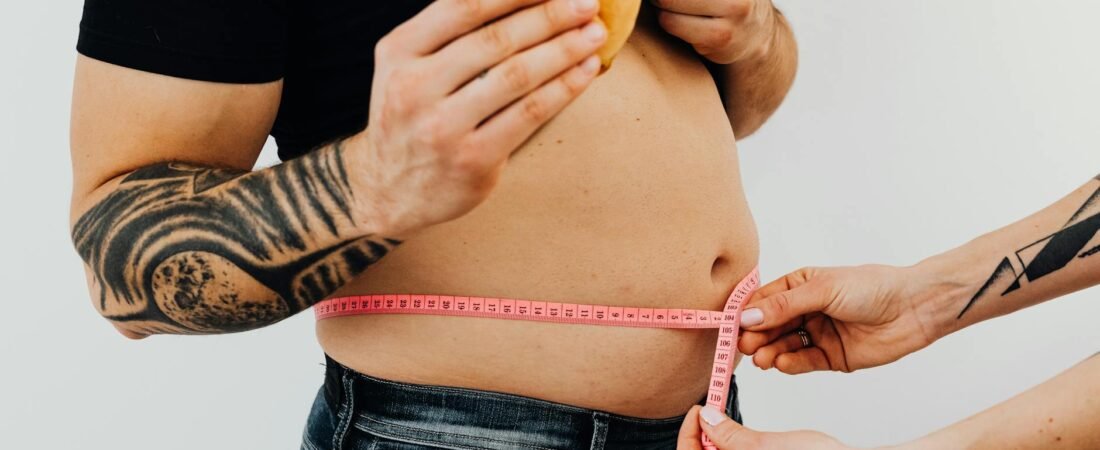
The quest for a delicious treat without the guilt is a common one, leading many to embrace zero-calorie sweeteners. But are these sugar substitutes truly our friends in the weight-loss journey, or could they be secretly sabotaging our efforts? Let’s dive into the debate.
Understanding Zero-Calorie Sweeteners
Zero-calorie sweeteners, also known as artificial sweeteners or non-nutritive sweeteners, are sugar substitutes that provide minimal to no calories. Popular examples include aspartame (Equal), sucralose (Splenda), saccharin (Sweet’N Low), and stevia. These sweeteners are designed to deliver sweetness without significantly impacting blood sugar levels, making them attractive to those watching their weight and those with diabetes. 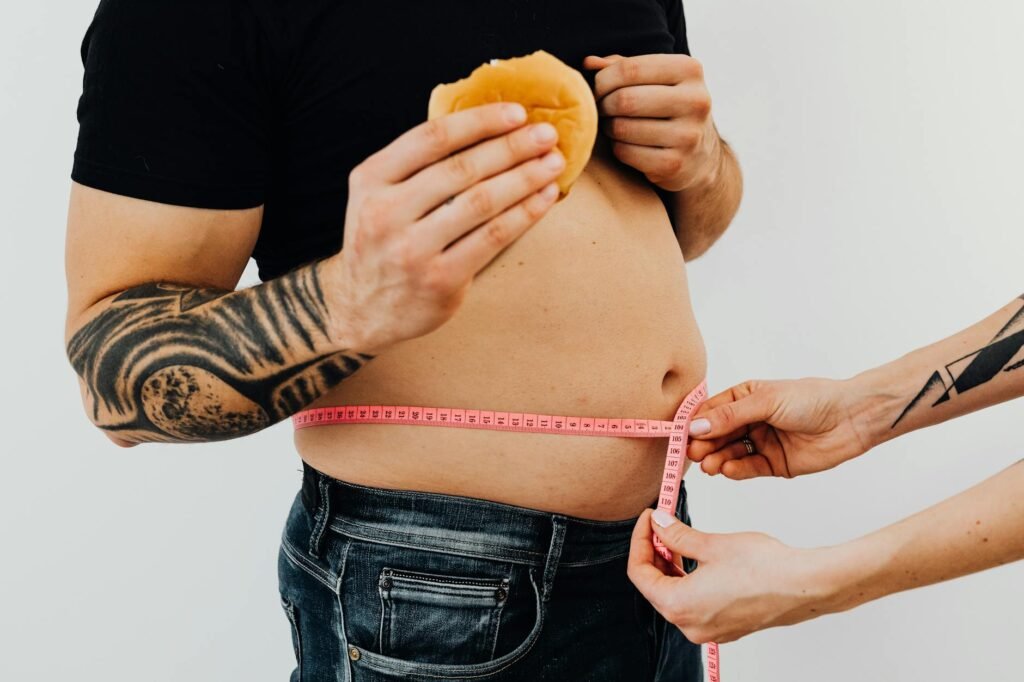
The Allure of Sweetness Without the Calories
The primary appeal of zero-calorie sweeteners is obvious: sweetness without the calories. This makes them a seemingly perfect tool for weight management, allowing people to enjoy sweet treats and beverages without the added caloric burden. Many diet sodas and sugar-free products rely on these sweeteners, offering a palatable alternative to their sugar-laden counterparts. But is it truly that simple? Learn more about the history of artificial sweeteners.
Potential Benefits for Weight Loss
Some studies suggest that substituting sugar with zero-calorie sweeteners can aid in weight loss by reducing overall caloric intake. By satisfying sweet cravings without adding extra calories, these sweeteners might help individuals adhere to their dietary goals more easily. However, the evidence is far from conclusive, and the results often depend on various factors such as overall diet quality and lifestyle habits. Research on artificial sweeteners and weight loss offers conflicting conclusions.
Potential Drawbacks and Concerns
Despite the potential benefits, concerns remain regarding the long-term effects of consuming zero-calorie sweeteners. Some studies have linked their consumption to potential health issues, including alterations in gut microbiota, increased cravings for sweet foods, and even weight gain in some individuals. The impact can vary significantly depending on the type of sweetener and individual factors.  Read about the different types of zero-calorie sweeteners.
The Role of Habits and Moderation
The impact of zero-calorie sweeteners likely depends heavily on individual habits and overall diet quality. While they can be a useful tool for some, relying solely on them for weight loss is not a sustainable or healthy approach. A balanced diet rich in whole foods, regular exercise, and mindful eating habits remain crucial for successful and long-term weight management. Learn about healthy eating habits.
Choosing Wisely and Making Informed Decisions
The choice of whether or not to incorporate zero-calorie sweeteners into your diet should be a personal one, based on your individual health needs and preferences. Consulting a healthcare professional or registered dietitian can provide personalized guidance. Remember that moderation is key, and a balanced approach to diet and lifestyle is far more effective than relying on any single ‘magic bullet.’ [IMAGE_3_HERE] Consult a nutritionist for personalized advice.
In conclusion, the zero-calorie sweetener debate is complex. While they might offer temporary benefits, long-term effects and overall health implications need to be considered. A holistic approach to weight loss, focusing on healthy eating and lifestyle changes, remains the most sustainable and effective strategy.
Frequently Asked Questions
What are the different types of zero-calorie sweeteners? There are several types, including aspartame, sucralose, saccharin, and stevia, each with its own properties and potential effects.
Are zero-calorie sweeteners safe for everyone? While generally considered safe in moderation for most people, some individuals may experience adverse effects. It’s essential to consult with a healthcare professional, especially if you have pre-existing health conditions.
Can zero-calorie sweeteners lead to weight gain? Some studies suggest a potential link between artificial sweetener consumption and altered gut microbiota, which might indirectly affect weight regulation. However, more research is needed to fully understand this complex relationship.
Are all zero-calorie sweeteners created equal? No, different sweeteners have different chemical structures and may be metabolized differently by the body. Some may be better tolerated than others.
Should I completely avoid zero-calorie sweeteners? This decision is best made on an individual basis after consulting with a healthcare professional. A balanced approach and careful consideration of your overall diet are essential.