
Understanding our hormones is crucial for achieving optimal weight and overall health. Hormones are chemical messengers that regulate various bodily functions, including metabolism, appetite, and fat storage. When these hormones are out of balance, it can lead to weight gain or difficulty losing weight. This blog post will explore the key hormones involved in weight management and offer strategies for restoring hormonal balance.
Understanding the Role of Key Hormones
Several hormones play a significant role in weight regulation. Leptin, produced by fat cells, signals to the brain about your body’s energy stores. Ghrelin, often called the “hunger hormone,” stimulates appetite. Insulin, secreted by the pancreas, helps regulate blood sugar and energy storage. Imbalances in these hormones can lead to increased hunger, cravings, and difficulty losing weight. 
The Impact of Stress on Hormones
Chronic stress significantly impacts hormone balance. When stressed, your body releases cortisol, a hormone that can increase appetite, particularly for sugary and fatty foods. High cortisol levels can also lead to increased fat storage, especially around the abdomen. Managing stress through techniques like exercise, meditation, or yoga is vital for maintaining hormonal balance. Learn more about stress management techniques.
Thyroid Hormones and Metabolism
The thyroid gland produces hormones that regulate your metabolism. An underactive thyroid (hypothyroidism) can slow down your metabolism, making weight loss more challenging. Conversely, an overactive thyroid (hyperthyroidism) can increase your metabolism, potentially leading to unintentional weight loss. Regular thyroid check-ups are recommended, especially if you experience unexplained weight changes. Read more about thyroid health.
Nutrition and Hormonal Balance
The foods you eat play a critical role in maintaining hormonal balance. A diet rich in whole, unprocessed foods, including fruits, vegetables, lean protein, and healthy fats, supports hormone production and regulation. Limiting processed foods, sugar, and unhealthy fats is essential. Consider incorporating foods that support hormone health, such as those rich in omega-3 fatty acids and antioxidants. 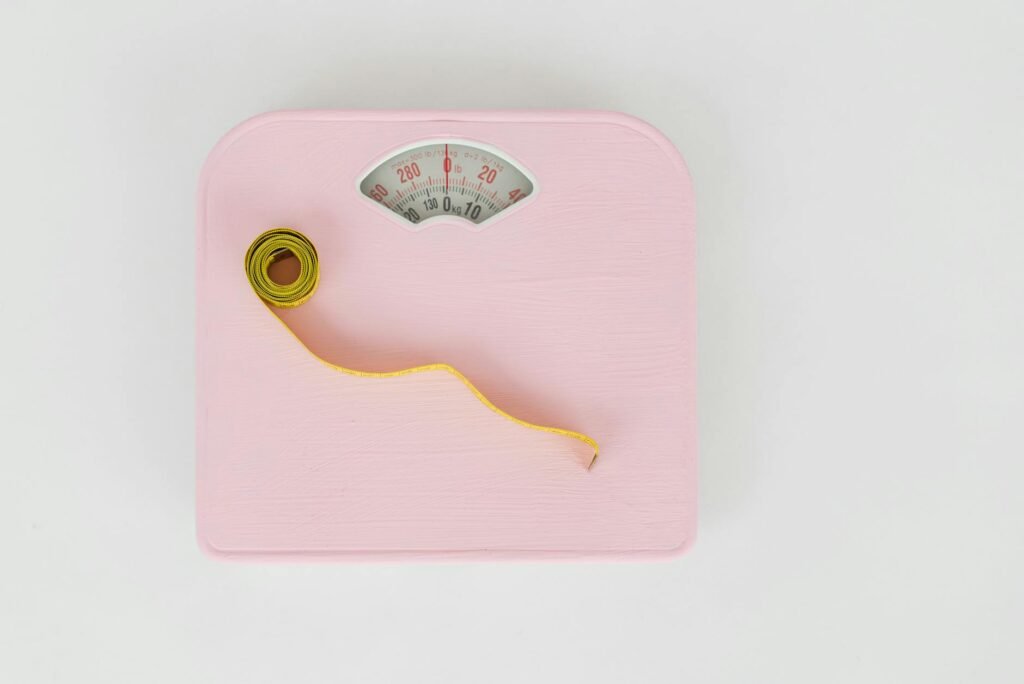
Lifestyle Factors and Weight Management
Beyond diet, lifestyle factors influence your hormones. Sufficient sleep is crucial as sleep deprivation disrupts hormone production. Regular exercise not only helps with weight management but also improves insulin sensitivity and reduces stress hormones. Aim for at least 150 minutes of moderate-intensity exercise per week. Learn about the benefits of exercise.
The Importance of Seeking Professional Help
If you’re struggling with unexplained weight gain or loss despite efforts to make lifestyle changes, it’s crucial to consult a healthcare professional. They can conduct tests to assess your hormone levels and identify any underlying conditions contributing to hormonal imbalances. A doctor can help create a personalized plan to address your specific needs and achieve optimal weight and health. Find a healthcare professional near you. [IMAGE_3_HERE]
Maintaining hormonal balance is key to achieving and maintaining a healthy weight. By understanding the role of different hormones, managing stress, making healthy food choices, and prioritizing lifestyle factors, you can work towards a healthier, happier you. Remember to consult with a healthcare professional for personalized guidance.
Frequently Asked Questions
What are the common signs of hormonal imbalance? Common signs include unexplained weight gain or loss, fatigue, mood swings, and changes in sleep patterns.
Can supplements help balance hormones? Some supplements may support hormonal health, but it’s essential to consult a healthcare professional before taking any supplements.
How long does it take to see results from lifestyle changes? The timeline varies for individuals, but consistency is key. You may start noticing improvements within a few weeks to months.
What if I have an underlying medical condition affecting my hormones? If you suspect an underlying condition, it’s crucial to seek professional medical advice for diagnosis and treatment.
Are there specific blood tests to check hormone levels? Yes, your doctor can order blood tests to measure levels of various hormones, including thyroid hormones, insulin, cortisol, and sex hormones.