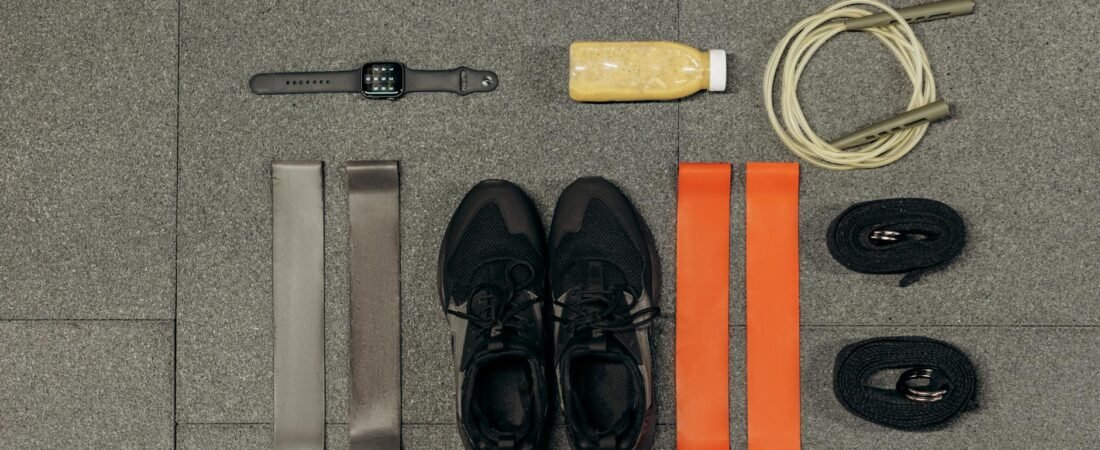
Losing weight can be a challenging journey, but thankfully, technology has provided us with some fantastic tools to help. Wearable fitness trackers are becoming increasingly popular as a weight-loss aid, offering valuable insights into your activity levels and overall health. This blog post will explore how these devices can contribute to your weight loss goals and what to look for when choosing one.
How Fitness Trackers Aid Weight Loss
Fitness trackers work by monitoring various metrics, providing you with a detailed picture of your daily activity. This data includes steps taken, calories burned, heart rate, sleep patterns, and sometimes even stress levels. By seeing exactly how active you are (or aren’t), you can identify areas for improvement and set more realistic goals. For example, if you consistently fall short of your daily step goal, you can make conscious efforts to incorporate more movement into your routine. 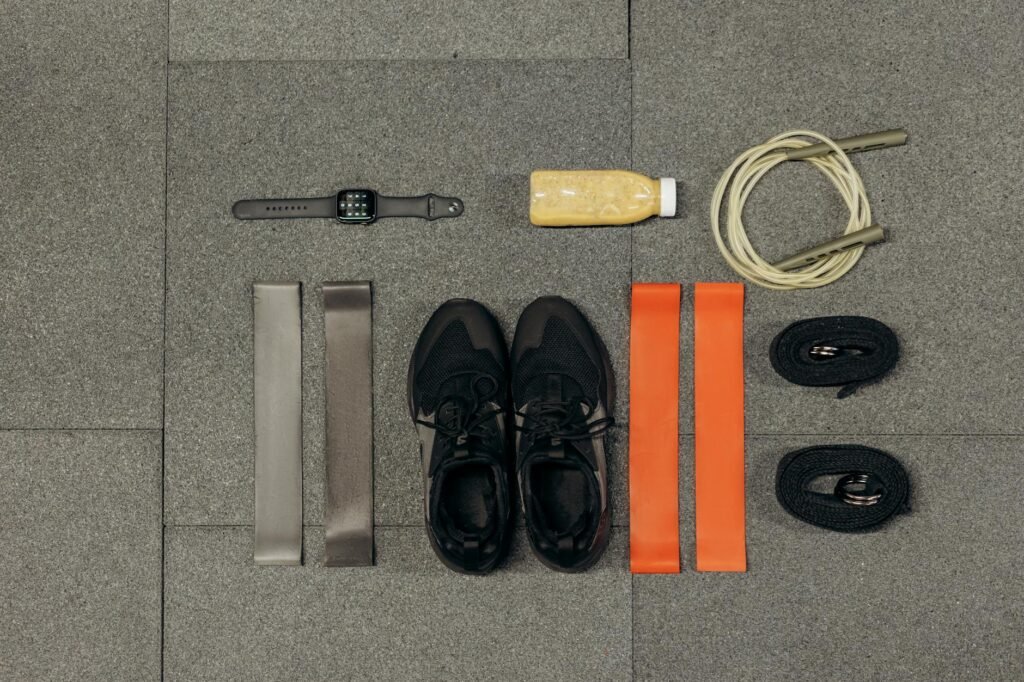
Choosing the Right Fitness Tracker
The market is flooded with fitness trackers, each with its own set of features and price points. Consider factors like your budget, desired features (GPS, heart rate monitoring, sleep tracking), and overall user-friendliness. Some trackers offer more comprehensive data analysis and integration with other health apps, such as MyFitnessPal. Read more about choosing the right tracker.
Beyond Step Counting: Advanced Features
Many modern fitness trackers go beyond simply counting steps. They often include advanced features such as heart rate variability (HRV) monitoring, which can provide insights into your overall health and stress levels. Understanding your HRV can help you optimize your workouts and recovery, preventing overtraining. Some also offer guided breathing exercises, a fantastic tool for stress management – and stress is a well-known factor in weight gain. 
Setting Realistic Goals and Tracking Progress
While fitness trackers are valuable tools, they are only as effective as the goals you set and the consistency of your effort. Start with achievable goals. Don’t jump straight into an extreme workout regime. Instead, gradually increase your activity levels, ensuring you can maintain the momentum and prevent burnout. Regularly review your tracker data to monitor progress and make necessary adjustments to your approach. Learn more about setting fitness goals.
The Importance of Diet and Lifestyle Changes
It’s crucial to remember that fitness trackers are only one piece of the weight-loss puzzle. They can’t do the work for you! Effective weight loss requires a holistic approach, combining regular physical activity with a healthy diet and overall lifestyle changes. For example, you might find it helpful to track your food intake using a dedicated app, like MyFitnessPal or Lose It!. Explore healthy recipes for weight loss.
Staying Motivated and Consistent
The most significant challenge with weight loss is often staying motivated and consistent. Fitness trackers can be a great source of motivation, providing you with visual data that shows your progress over time. Many offer challenges, leaderboards, and even social features that help keep you engaged. Remember to celebrate your achievements along the way, no matter how small they seem. [IMAGE_3_HERE] Find more weight loss motivation tips. Reward yourself for milestones reached, but make sure the rewards are aligned with your healthy lifestyle choices. Read about maintaining motivation for long-term weight loss.
In conclusion, wearable fitness trackers are powerful tools that can significantly aid in your weight loss journey by providing valuable data, setting goals, and boosting motivation. However, remember that they are just one part of a larger strategy that includes diet and lifestyle modifications. Used effectively, they can make a noticeable difference in your overall health and well-being.
Frequently Asked Questions
What kind of data do fitness trackers collect? Fitness trackers typically collect data on steps taken, calories burned, heart rate, sleep patterns, and sometimes even stress levels.
Are all fitness trackers created equal? No, fitness trackers vary widely in terms of features, accuracy, and price. It’s important to choose one that fits your needs and budget.
How can I make sure I’m using my tracker effectively? Set realistic goals, track your progress regularly, and remember that a holistic approach combining diet, exercise, and lifestyle changes is key.
What if I don’t see results immediately? Weight loss takes time and effort. Don’t get discouraged if you don’t see immediate results. Focus on consistency and celebrate small victories along the way.
Can a fitness tracker help with overall health beyond weight loss? Absolutely! Fitness trackers can help improve your understanding of sleep patterns, activity levels, and stress, all of which contribute to better overall health and wellbeing.