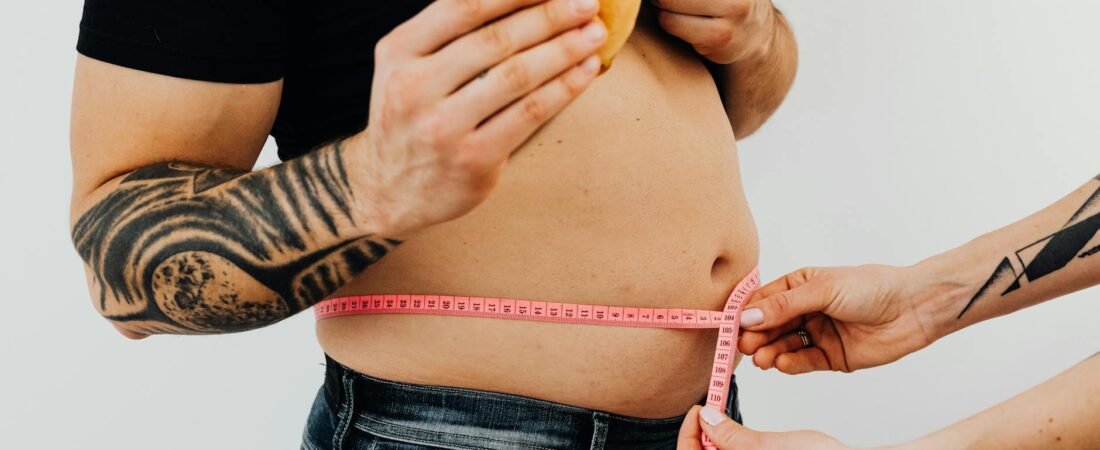
Embarking on a weight loss journey requires dedication and a strategic approach to nutrition. While focusing on what to eat is crucial, understanding which foods to avoid is equally important. This blog post will highlight some common culprits that can hinder your progress and offer healthier alternatives.
Sugary Drinks
Sugary drinks, including soda, juice, and sweetened beverages, are loaded with empty calories that contribute significantly to weight gain. These drinks often lack essential nutrients and can lead to increased cravings and a higher calorie intake overall. 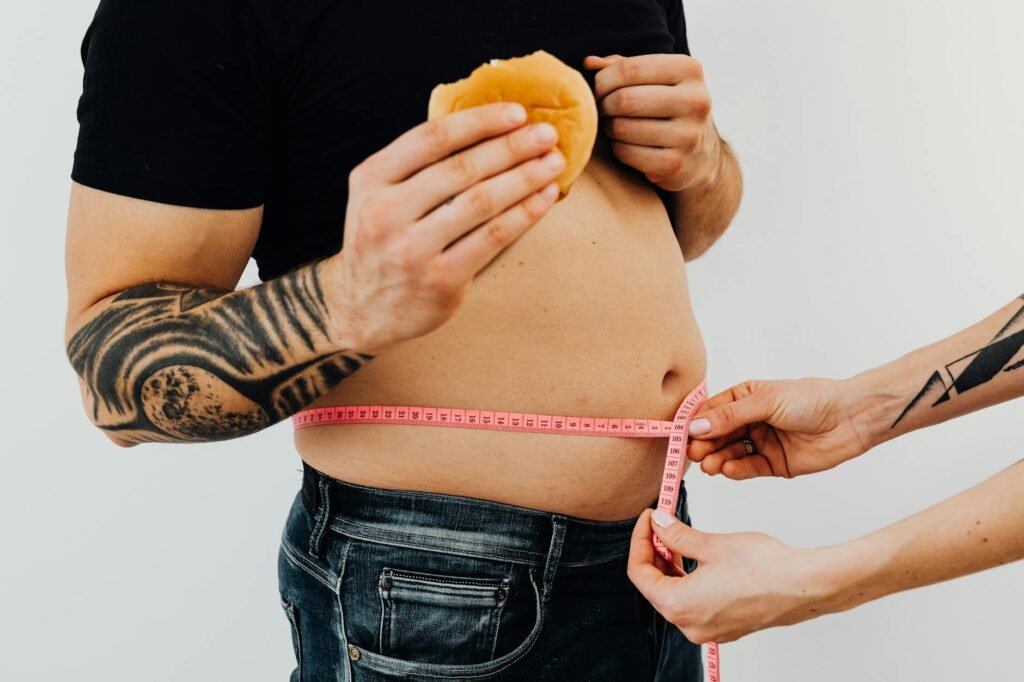 Instead of reaching for a sugary drink, opt for water, unsweetened tea, or infused water with fruits like cucumber and lemon. Learn more about hydration strategies for weight loss.
Processed Foods
Processed foods are often high in unhealthy fats, sodium, and added sugars, making them detrimental to your weight loss goals. Many processed foods also contain refined carbohydrates that can lead to blood sugar spikes and crashes, leaving you feeling hungry and craving more.  Consider swapping out processed snacks for whole, unprocessed options like fruits, vegetables, and nuts. Check out this list of healthy snack alternatives.
White Bread and Refined Grains
White bread and other refined grains are quickly digested, causing a rapid spike in blood sugar levels. This can lead to energy crashes and increased cravings, hindering your efforts to lose weight. These foods also lack the fiber found in whole grains, which aids in digestion and promotes satiety. [IMAGE_3_HERE] Switch to whole-wheat bread, brown rice, quinoa, or other whole grains for sustained energy and better blood sugar control. Discover the benefits of whole grains for weight management.
Excessive Amounts of Alcohol
Alcohol is high in calories and can contribute to weight gain, especially when consumed in excess. It also tends to lower inhibitions, which might lead to consuming more unhealthy foods. [IMAGE_4_HERE] Moderation is key, and if you choose to drink alcohol, opt for lower-calorie options and be mindful of your portion sizes. Learn more about the impact of alcohol on weight loss from this study.
Fast Food
Fast food is often high in calories, unhealthy fats, sodium, and processed ingredients that make weight loss difficult. It’s also typically low in nutrients, contributing to an overall less-healthy diet. [IMAGE_5_HERE] Aim to prepare meals at home whenever possible to gain greater control over ingredients and portion sizes. If you do find yourself needing to eat out, make informed choices by selecting healthier options. Check out our guide to navigating restaurant menus for weight loss.
By avoiding these foods and making healthier choices, you’ll be well on your way to achieving your weight loss goals. Remember consistency and balance are key. Consult with a registered dietitian or nutritionist for personalized guidance.
Frequently Asked Questions
What are some healthy alternatives to sugary drinks? Water, unsweetened tea, and infused water with fruits are great alternatives.
Are all processed foods unhealthy? No, but many are high in unhealthy fats, sodium, and added sugars. Look for minimally processed options.
How can I reduce my alcohol intake? Set limits, choose lower-calorie options, and alternate alcoholic drinks with water.
What are some healthy substitutes for white bread? Whole-wheat bread, brown rice, quinoa, and other whole grains are good substitutes.
Is it okay to indulge occasionally? Yes, allowing yourself an occasional treat can help maintain a sustainable approach to weight management.