
Embarking on a weight loss journey can feel overwhelming, but with a structured meal plan, you can achieve your goals effectively and sustainably. This plan focuses on balanced nutrition, portion control, and mindful eating habits. Remember to consult a healthcare professional or registered dietitian before making significant dietary changes.
Understanding Your Caloric Needs
Before diving into a meal plan, understanding your individual caloric needs is crucial. Factors like age, gender, activity level, and current weight influence this number. Using online calculators or consulting a nutritionist can help you determine a suitable caloric deficit for healthy weight loss. Don’t forget to track your progress and adjust your intake as needed. You can find several helpful calorie tracking apps online, such as MyFitnessPal or Lose It! to help you stay on track. 
Breakfast: The Most Important Meal
Kickstart your metabolism with a nutritious breakfast! Include protein, healthy fats, and complex carbohydrates for sustained energy and satiety. A good example would be oatmeal with berries and nuts, or Greek yogurt with fruit and a sprinkle of granola. Avoid sugary cereals and processed pastries. Read more about creating the perfect breakfast on our website.
Lunch: Fueling Your Afternoon
Your lunch should be a balanced meal that keeps you feeling full and energized throughout the afternoon. Opt for lean protein sources, such as grilled chicken or fish, combined with plenty of vegetables and a small portion of whole grains. Salads with a variety of colorful vegetables are a great option. Be mindful of portion sizes to avoid overeating. 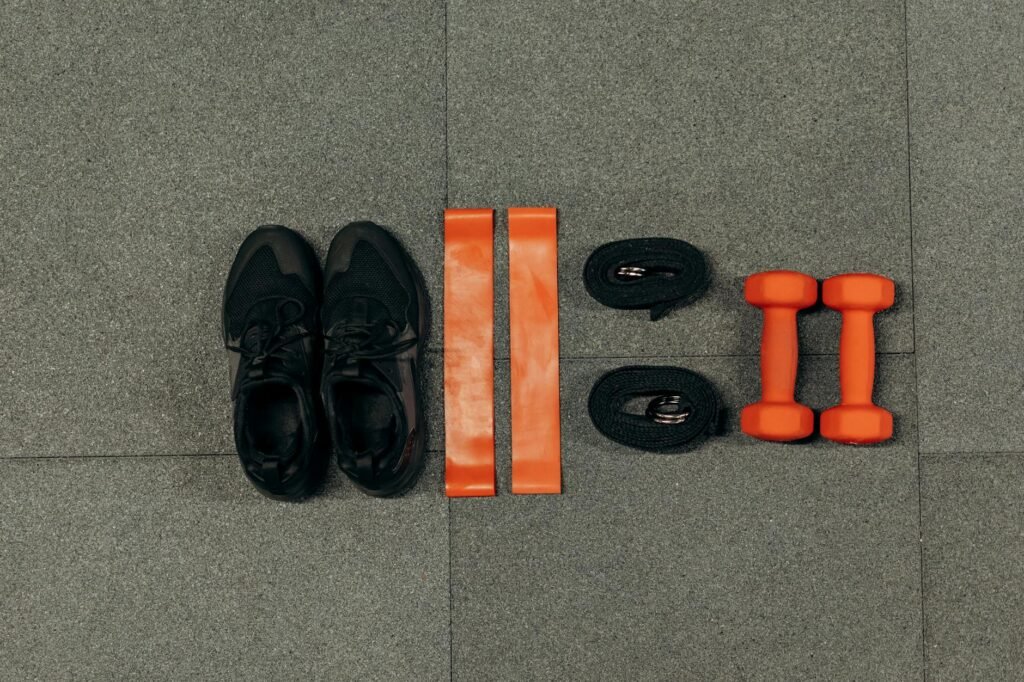
Dinner: Winding Down with Healthy Choices
Dinner should be lighter than lunch, focusing on lean proteins, plenty of vegetables, and a small portion of complex carbohydrates. Avoid heavy, greasy meals close to bedtime. Consider baked salmon with roasted vegetables or a lentil soup with whole-wheat bread. Remember to stay hydrated throughout the day! This article offers more ideas on healthy dinner recipes.
Snacks: Keeping Hunger at Bay
Healthy snacks between meals can prevent overeating and keep your energy levels stable. Opt for nutrient-rich options such as fruits, vegetables, nuts, or Greek yogurt. Avoid processed snacks, sugary drinks, and excessive amounts of unhealthy fats. Planning your snacks in advance will help you make healthier choices throughout the day. You can explore more ideas by checking out our snack guide.
Hydration and Exercise
Staying adequately hydrated is essential for weight loss and overall health. Aim to drink plenty of water throughout the day. Coupling this meal plan with regular physical activity, such as cardio and strength training, will further enhance your results. Find a physical activity that you enjoy and that fits your lifestyle. Consult with a personal trainer for guidance or check out this exercise program.
By following this structured meal plan and incorporating healthy lifestyle choices, you can achieve your weight loss goals and maintain a healthy weight in the long run. Remember, consistency and patience are key. [IMAGE_3_HERE]
Frequently Asked Questions
What if I have food allergies or intolerances? Consult a registered dietitian or allergist to create a meal plan that caters to your specific needs.
How quickly will I see results? Weight loss varies from person to person. Consistent adherence to the plan and regular exercise will gradually lead to results. Be patient and persistent.
Can I modify this meal plan to fit my dietary preferences? Yes, you can adapt the plan to your preferences. Make sure to maintain the balance of nutrients and portion control.
What if I cheat on the plan? Don’t be discouraged! Just get back on track with your next meal. Don’t let a single slip-up derail your entire progress.
Is this meal plan suitable for everyone? While this meal plan offers guidance, it’s crucial to consult a healthcare professional or registered dietitian before making significant dietary changes, especially if you have underlying health conditions.