Intermittent fasting (IF) has gained significant popularity as a weight loss strategy. But why does it work? It’s not just a fad; there’s real science behind its effectiveness. Let’s delve into the mechanisms that make intermittent fasting a powerful tool for shedding those extra pounds.
How Intermittent Fasting Affects Your Hormones
One of the primary ways IF aids weight loss is by influencing hormone levels. When you eat, your insulin levels rise to help your body process the glucose. Prolonged periods without food, as practiced in IF, allow insulin levels to drop. This drop encourages your body to tap into its fat stores for energy, a process called lipolysis. Lower insulin levels also increase the levels of human growth hormone (HGH), which plays a crucial role in fat burning and muscle growth. 
Cellular Repair and Autophagy
Another benefit of intermittent fasting is its impact on cellular processes. During fasting periods, your body initiates a process called autophagy, where it cleans out damaged cells and recycles their components. This cellular self-cleaning helps improve overall health and can contribute to weight loss by optimizing metabolic function. Learn more about the science of autophagy.
Boosting Metabolism
While it might seem counterintuitive, intermittent fasting can actually boost your metabolism. Studies suggest that short-term calorie restriction, as seen in IF, can increase your metabolic rate. This means your body burns more calories even at rest. This metabolic boost, combined with fat burning from lipolysis, contributes significantly to weight loss. 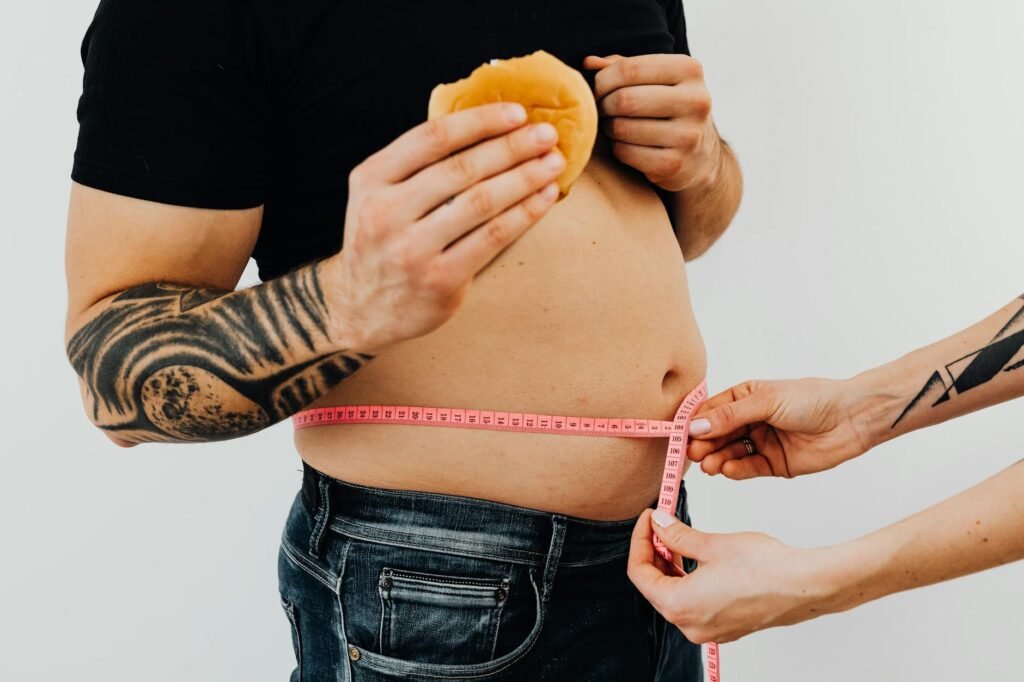
Improved Insulin Sensitivity
Insulin resistance, a condition where your body doesn’t respond effectively to insulin, is a major contributor to weight gain. Intermittent fasting has been shown to improve insulin sensitivity, making your body more efficient at processing glucose. This improved sensitivity makes it easier for your body to use glucose for energy and reduces fat storage. Read more about insulin resistance.
The Role of Calorie Restriction
While IF isn’t strictly about calorie restriction, it often leads to a natural reduction in overall calorie intake. This is simply because you’re eating within a shorter timeframe. When you consume fewer calories than you burn, your body naturally starts using stored fat for energy, leading to weight loss. Finding the right balance between eating windows and calorie intake is key. Check out our guide to different IF methods.
Maintaining a Healthy Lifestyle
It’s important to note that intermittent fasting is most effective when combined with a healthy diet and regular exercise. IF isn’t a magic bullet; it’s a tool that can be used as part of a holistic approach to weight management. Think of it as a strategy to optimize your body’s natural processes, not a quick fix. [IMAGE_3_HERE] Discover healthy recipes for intermittent fasting
In conclusion, intermittent fasting’s effectiveness in weight loss comes down to its influence on hormones, cellular processes, and metabolism. By combining IF with a healthy lifestyle, you can harness its power to achieve your weight loss goals and improve overall well-being. Remember to consult your doctor before starting any new diet, especially if you have pre-existing health conditions. Consult a healthcare professional.
Frequently Asked Questions
What are the different types of intermittent fasting? There are several popular methods, including the 16/8 method, the 5:2 diet, and alternate-day fasting. Each has its own approach to eating windows and fasting periods.
Is intermittent fasting safe for everyone? While generally safe for healthy individuals, it’s crucial to consult a healthcare professional before starting IF, especially if you have pre-existing medical conditions like diabetes or eating disorders.
What are some potential side effects of intermittent fasting? Some people may experience initial side effects like headaches, fatigue, or dizziness. These are usually temporary and subside as your body adjusts.
How long does it take to see results from intermittent fasting? Results vary from person to person, but many people report seeing noticeable weight loss within a few weeks of consistent practice.
What should I eat during my eating window? Focus on nutrient-dense whole foods like fruits, vegetables, lean proteins, and healthy fats. Avoid processed foods, sugary drinks, and excessive refined carbohydrates.