
Yoga is more than just a trendy workout; it’s an ancient practice that can profoundly benefit your physical and mental well-being. Many find that incorporating yoga into their lifestyle is a powerful tool for weight loss and improving flexibility. This post explores how yoga achieves these goals and provides guidance to start your journey.
Understanding Yoga for Weight Loss
While not a magic bullet, yoga contributes to weight loss in several ways. It builds lean muscle mass, which boosts your metabolism, helping you burn more calories even at rest. 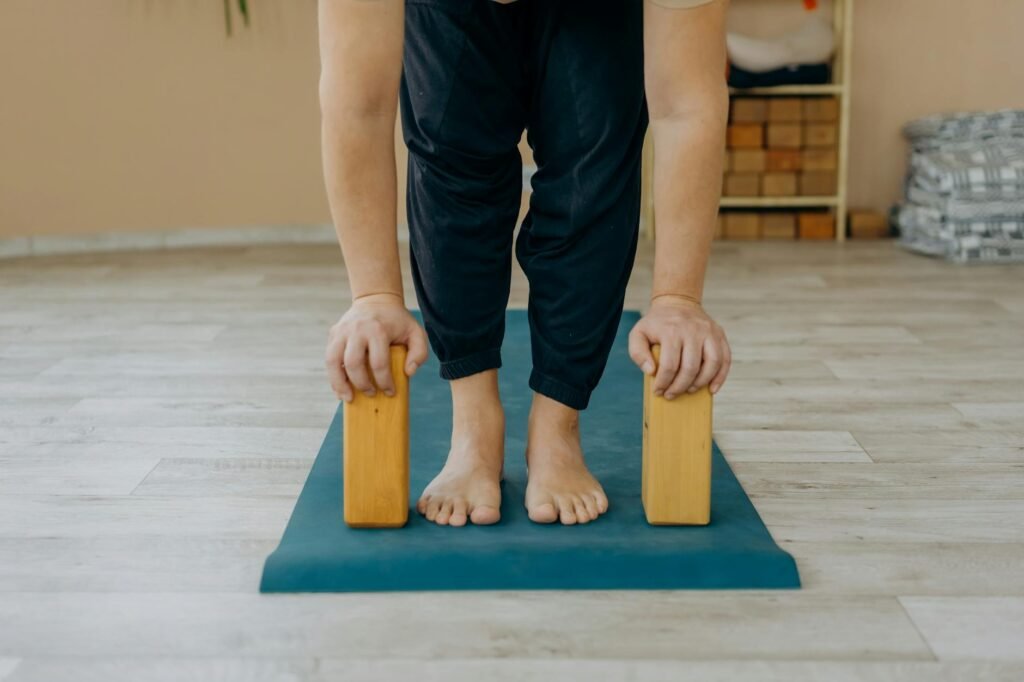 Different styles, such as Vinyasa or Ashtanga, are particularly effective for calorie burning through their dynamic sequences. Furthermore, regular practice promotes mindful eating, helping you develop a healthier relationship with food. Learning to listen to your body’s signals through mindful practices like this is key to sustainable weight loss.
Yoga Poses for Flexibility
Yoga is renowned for its ability to increase flexibility. Poses such as forward folds (like Paschimottanasana) lengthen the hamstrings and back muscles, while twists (like Ardha Matsyendrasana) improve spinal mobility. Hip openers, such as Pigeon Pose, release tension in the hips – an area often tight from prolonged sitting. Consistent practice of these poses, combined with mindful breathing, increases range of motion and reduces stiffness. 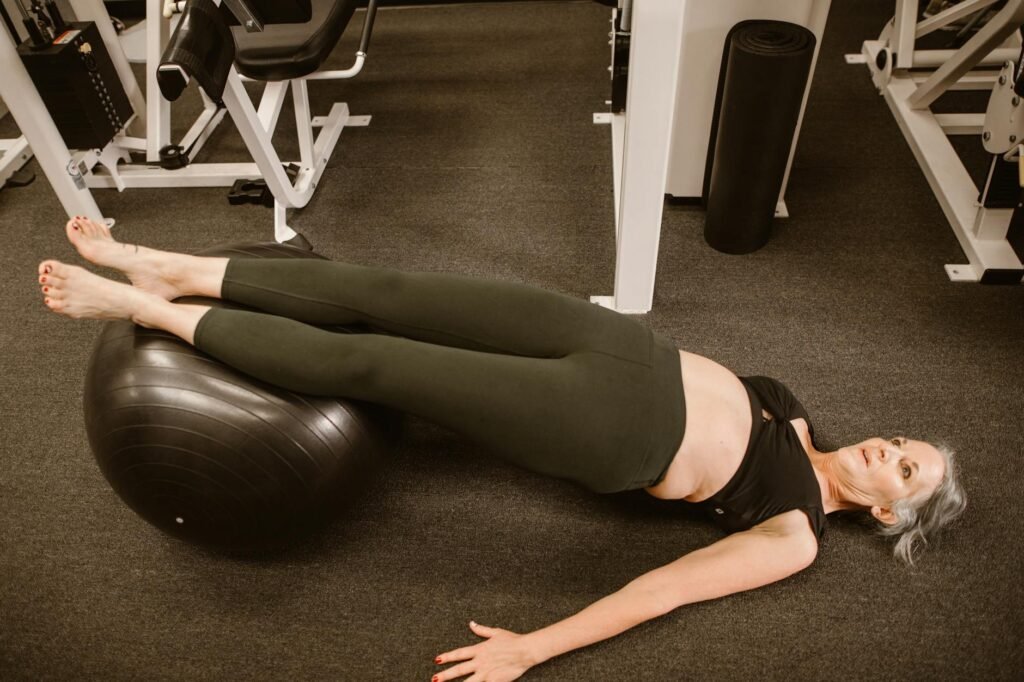 Remember to listen to your body and avoid pushing yourself too hard, especially when starting.
Creating a Balanced Yoga Practice
For optimal results, it’s crucial to find a balanced yoga practice. Incorporate different styles to target various muscle groups and enhance both strength and flexibility. A good balance would include some invigorating Vinyasa flows, some restorative poses for relaxation and stress reduction, and perhaps some Yin yoga for deep connective tissue work. This article provides a detailed explanation on building a balanced practice. Combining your practice with a healthy diet and regular cardiovascular exercise will also help maximize your weight loss results. Remember, consistency is key!
Mindfulness and Weight Loss
Yoga is more than just physical postures; it’s a holistic practice emphasizing mindfulness. This mindful approach extends beyond the mat and into your daily life. By cultivating self-awareness, you become more attuned to your hunger cues and less likely to overeat. Meditation, a key component of many yoga styles, can help reduce stress, a significant factor contributing to weight gain. Learn more about mindful eating.
Getting Started with Yoga for Weight Loss and Flexibility
Beginners should start slowly and gradually increase the intensity and duration of their practice. Finding a qualified instructor is essential to learn proper techniques and avoid injuries. There are many online resources and local studios offering beginner-friendly classes. Consider starting with a beginner’s yoga DVD or online video series, or explore local yoga studios. [IMAGE_3_HERE] Consistency is key. Aim for at least three sessions per week to start seeing noticeable results.
The Benefits Beyond Weight Loss
The benefits of yoga extend far beyond weight loss and flexibility. Regular practice improves sleep quality, reduces stress and anxiety, boosts energy levels, and enhances overall mental clarity. Research continues to demonstrate the multifaceted benefits of yoga for overall health and well-being. It’s a journey of self-discovery and self-improvement that can positively impact every aspect of your life.
Incorporating yoga into your life is a wonderful step towards a healthier, happier you. By combining mindful movement with a balanced lifestyle, you can achieve your weight loss goals and experience the transformative power of increased flexibility and overall well-being. Discover more yoga styles to find your perfect match.
Frequently Asked Questions
What type of yoga is best for weight loss? Vinyasa, Ashtanga, and power yoga are dynamic styles that burn more calories. However, any style practiced consistently will contribute to weight loss.
How often should I practice yoga to see results? Aim for at least three sessions per week for optimal results. Consistency is more important than the duration of each session.
Can yoga help with flexibility even if I’m not very flexible? Absolutely! Yoga is designed to improve flexibility gradually. Start slowly, listen to your body, and you’ll see improvements over time.
Is yoga suitable for all fitness levels? Yes, there are many different styles and levels of yoga to suit everyone, from beginners to advanced practitioners.
What should I expect in my first yoga class? Expect a warm welcome, a chance to learn basic poses, and a focus on proper breathing and alignment. Don’t worry about being perfect; focus on enjoying the process.