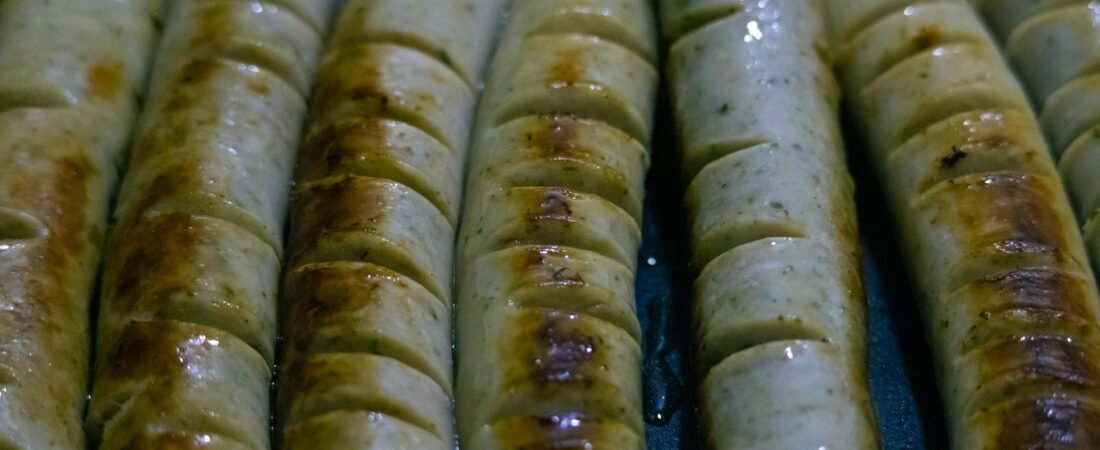
Embarking on a weight loss journey can feel overwhelming, but focusing on a high-protein diet can make the process more manageable and effective. A high-protein approach helps you feel fuller for longer, reduces cravings, and supports muscle maintenance while losing fat. This post will guide you through the essentials of a high-protein diet for fat loss.
Understanding the Role of Protein in Fat Loss
Protein plays a crucial role in weight management. Unlike carbohydrates and fats, protein requires more energy to digest, boosting your metabolism. This process, known as the thermic effect of food, contributes to calorie burning. Furthermore, protein helps preserve muscle mass, which is vital as you lose weight. Losing muscle along with fat leads to a slower metabolism and a less toned physique. Prioritizing protein ensures you maintain lean muscle while shedding those extra pounds. 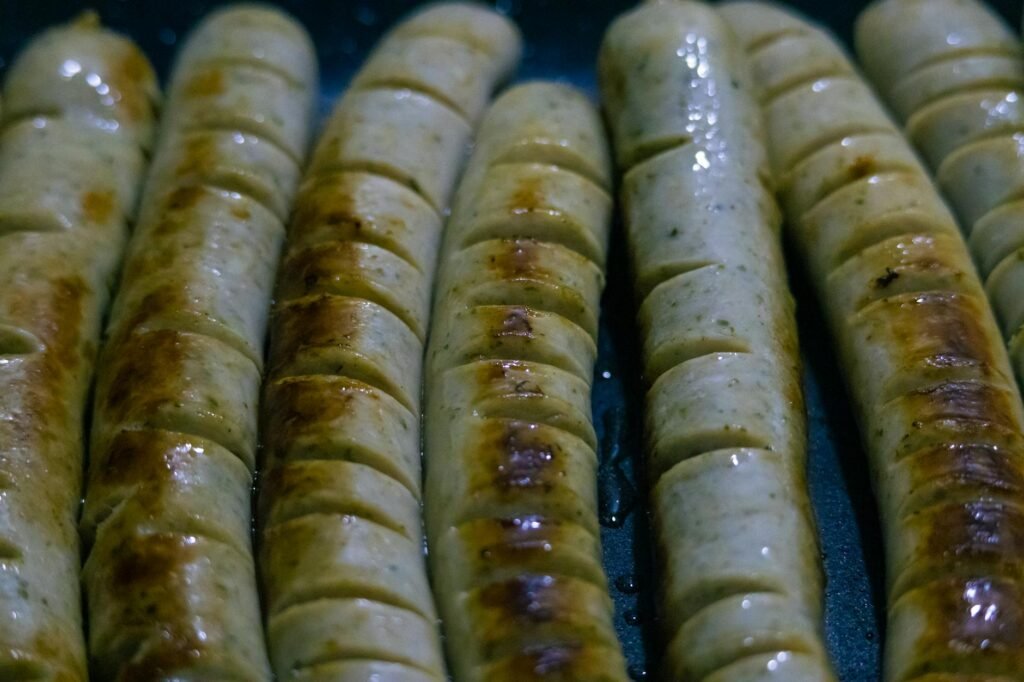
Building Your High-Protein Meal Plan
Creating a high-protein meal plan doesn’t have to be complicated. Focus on incorporating lean protein sources into each meal. Excellent choices include chicken breast, fish (like salmon or tuna), lean beef, turkey, eggs, Greek yogurt, beans, and lentils. Don’t forget about incorporating healthy fats and complex carbohydrates for sustained energy and overall well-being. A balanced approach is key. You can find some sample meal plans online, or consider consulting a registered dietitian or nutritionist for personalized guidance. Click here for sample meal plans.
Hydration and Fiber: Important Considerations
Drinking plenty of water is essential when increasing your protein intake. Protein helps you feel full, but adequate hydration will further support your weight loss efforts. In addition to water, consider increasing your fiber intake. Fiber adds bulk to your diet, promoting satiety and healthy digestion. Good sources of fiber include fruits, vegetables, and whole grains. Aim for a balanced intake of both fiber and protein for optimal results. 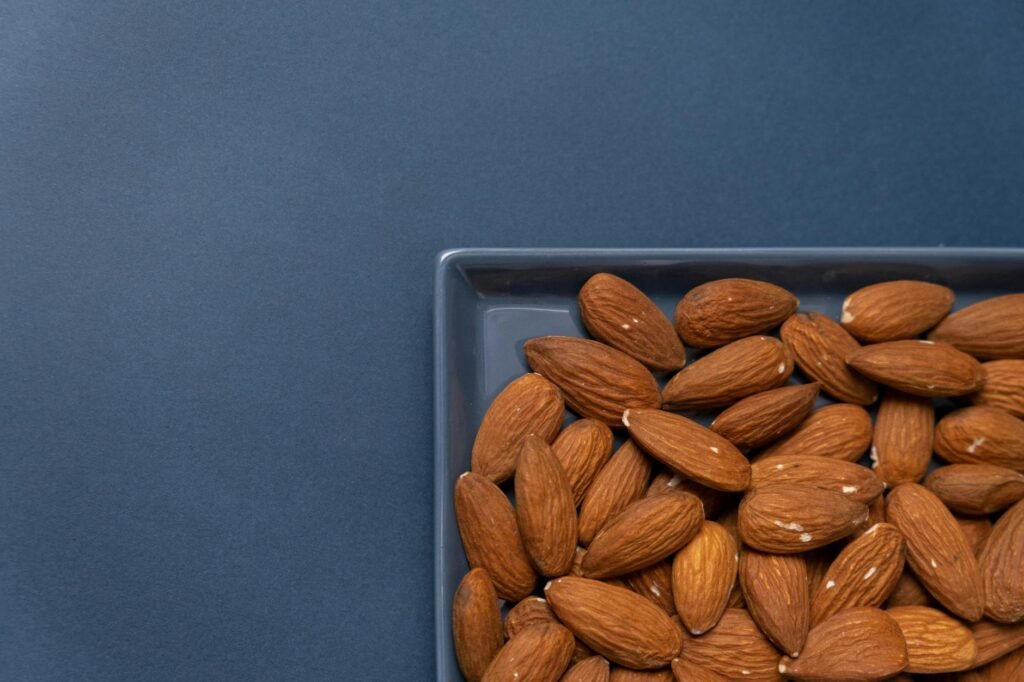
Exercise and a High-Protein Diet
While diet plays a significant role in fat loss, incorporating regular exercise maximizes your results. Exercise helps burn calories, builds muscle, and improves overall health. Combine your high-protein diet with at least 150 minutes of moderate-intensity cardio per week, and incorporate strength training exercises two to three times a week. Learn more about effective workout routines.
Common Mistakes to Avoid
One common mistake is over-relying on protein shakes and supplements. While protein supplements can be helpful additions, they shouldn’t replace whole, unprocessed foods. Prioritize whole foods for optimal nutrient absorption and overall health. Another mistake is neglecting your micronutrient intake. Focus on consuming a variety of fruits and vegetables to ensure you get all the essential vitamins and minerals your body needs. Remember that a sustainable diet is more effective than a restrictive one. Check out our guide on avoiding diet pitfalls.
Supplements and Considerations
While whole foods should be your primary focus, some supplements can complement your high-protein diet. Creatine, for example, can support muscle growth and strength, which is beneficial for both weight loss and overall fitness. However, always consult a healthcare professional or registered dietitian before starting any supplement regimen. Remember, the best approach involves a balanced, sustainable plan that addresses your individual needs and preferences. Consider consulting a physician or a registered dietitian for personalized guidance to ensure your diet is tailored to your specific health conditions and goals. Learn more about creatine. [IMAGE_3_HERE]
In conclusion, a high-protein diet can be a highly effective strategy for fat loss when combined with regular exercise and mindful eating habits. Remember to focus on whole, unprocessed foods and stay hydrated. This approach supports muscle maintenance while promoting a healthy and sustainable weight loss journey. Remember consistency is key, and seeking professional advice can help you tailor a plan that works best for you. Find a registered dietitian near you.
Frequently Asked Questions
What are the best sources of protein? Lean meats (chicken, turkey, fish), eggs, Greek yogurt, beans, lentils, and tofu are all excellent sources of protein.
How much protein should I eat per day? The recommended daily protein intake varies depending on factors like your activity level, goals, and overall health. It’s best to consult a healthcare professional or registered dietitian to determine your ideal protein intake.
Can I lose weight too quickly on a high-protein diet? Rapid weight loss can be harmful and unsustainable. Aim for a gradual and healthy weight loss rate of 1-2 pounds per week.
Are there any potential side effects of a high-protein diet? Some people may experience side effects like constipation or bad breath. Staying hydrated and consuming enough fiber can help mitigate these issues. If you experience any significant side effects, consult a doctor.
Is a high-protein diet suitable for everyone? A high-protein diet may not be appropriate for everyone, particularly those with kidney issues. It’s always advisable to consult your doctor before making significant dietary changes.