
Losing weight can be a challenging journey, but incorporating the right tools and strategies can make the process smoother and more effective. Protein powder has emerged as a popular supplement for those aiming to shed those extra pounds. But does it truly live up to the hype? Let’s delve into the details.
How Protein Powder Aids in Weight Loss
Protein plays a crucial role in weight management. It boasts a higher thermic effect than carbohydrates and fats, meaning your body burns more calories digesting it. This increased metabolism can contribute to a calorie deficit, essential for weight loss. Moreover, protein keeps you feeling fuller for longer, curbing those pesky cravings and preventing overeating. 
Choosing the Right Protein Powder
Navigating the vast world of protein powders can be overwhelming. Whey protein is a popular choice due to its rapid absorption rate and high protein content. However, other options like casein protein (for slower digestion and sustained satiety) and plant-based protein powders (for those with dietary restrictions) are also available. Consider consulting a nutritionist or dietitian to determine which type best suits your needs and dietary preferences. Learn more about protein types here.
Incorporating Protein Powder into Your Diet
The key is to integrate protein powder seamlessly into your existing healthy diet, not as a replacement for whole foods. You can add it to smoothies, oatmeal, yogurt, or even bake it into muffins or protein bars. Remember moderation is key, as excessive protein intake can have negative consequences. 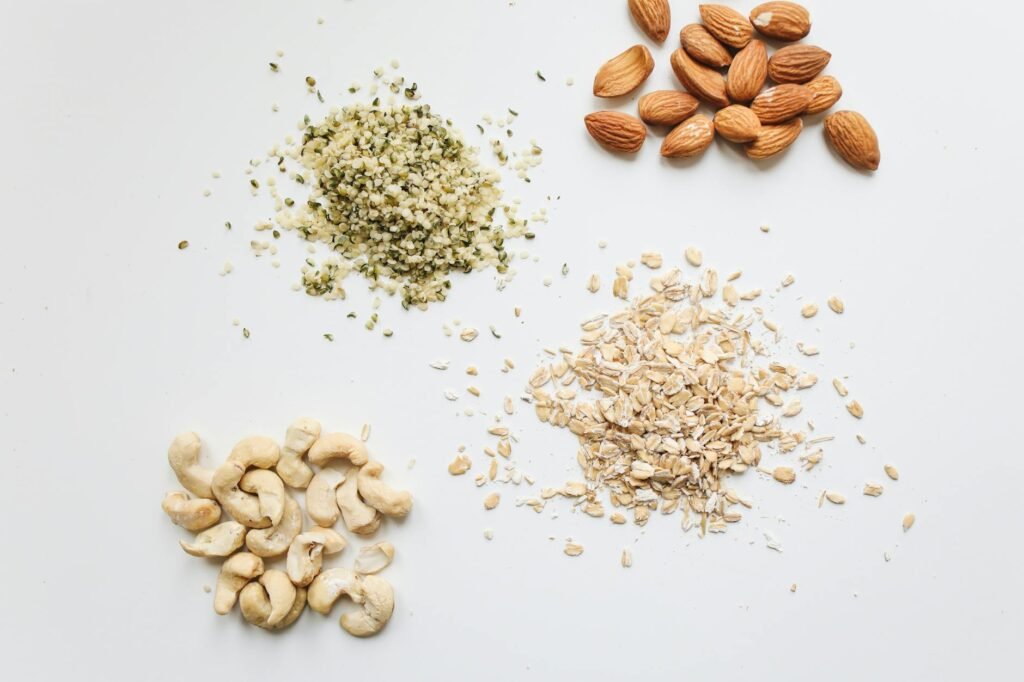 Check out our delicious smoothie recipes for inspiration!
Understanding Calorie Intake and Macros
While protein powder can assist in weight loss, it’s not a magic bullet. You still need to focus on maintaining a calorie deficit by carefully tracking your daily caloric intake. Consider using a calorie tracking app to monitor your progress and ensure you’re consuming enough protein, carbohydrates, and healthy fats. Find a suitable calorie tracking app here. Balancing your macronutrients is crucial for sustainable weight loss and overall health.
Common Mistakes to Avoid
Many fall into the trap of relying solely on protein powder for weight loss. Remember that a holistic approach is crucial. Regular exercise, coupled with a balanced diet rich in fruits, vegetables, and whole grains, is essential. Avoid protein powders that are laden with added sugars or artificial ingredients. Always choose high-quality brands. [IMAGE_3_HERE]
The Verdict: Protein Powder and Your Weight Loss Journey
Protein powder can be a valuable tool in your weight loss arsenal, but it’s vital to use it strategically as part of a comprehensive approach. Combine it with a balanced diet, regular exercise, and mindful eating habits for optimal results. Read more about healthy lifestyle choices. Remember to listen to your body and adjust your strategy as needed. Learn about effective workout routines.
Frequently Asked Questions
What type of protein powder is best for weight loss? The best type depends on your individual needs and preferences. Whey, casein, and plant-based proteins all offer benefits. Consider your dietary restrictions and consult a professional for personalized advice.
How much protein powder should I consume daily? The recommended daily protein intake varies depending on factors like your weight, activity level, and goals. A general guideline is 0.8 grams of protein per kilogram of body weight, but this can be adjusted based on individual needs. Consult a healthcare professional or registered dietitian for personalized recommendations.
Can I rely solely on protein powder for weight loss? No. Protein powder is a supplement, not a replacement for whole foods. Sustainable weight loss requires a balanced diet, regular exercise, and a healthy lifestyle.
Are there any side effects of consuming protein powder? Some individuals might experience digestive discomfort, such as bloating or gas. This can vary depending on the type of protein and individual tolerance. Starting with a small amount and gradually increasing intake can help minimize these side effects.
Is protein powder safe for everyone? While generally safe for most, it’s important to consult a healthcare provider before incorporating protein powder into your diet, especially if you have underlying health conditions or are pregnant or breastfeeding.